Showing posts with label Pakistan. Show all posts

Winter Climbs 2018: Summit Bid Begins on Everest

The moment we've all been waiting for has finally arrived on Everest. After months of planning and weeks of preparation on the mountain, Alex Txikon, Muhammad Ali Sadpara, and the rest of the team have launched a summit bid on Everest, and things are already going well. But, as with all things involving the highest mountain on the planet, it won't be an easy ascent.

The attempt on the summit – the first so far this season – got underway yesterday with the Alex and company reaching Camp 2 in a single push. They'll likely move up to C3 today and be in their final position tomorrow for a potential push to the top on Saturday or Sunday (February 24/25) of this week.

The forecast calls for a good weather window over the next few days. That is a relative forecast of course, this being winter in the Himalaya. Temperatures on the summit are expected to hover around -40ºF/C, with windchills approaching -80ºF/-62ºC. In other words, it will be brutally cold on the way up, and remember Alex is attempting this summit without the use of supplemental oxygen.

In a post on Facebook Alex has called this the "first and last chance to get to the summit of Everest," indicating that he expects this to be their only real chance at topping out this winter. With about a month to go yet before the end of the season, I would have expected the team to at least consider a second summit bid should they not make it this time. But, it has been a long couple of months on the mountain and the entire squad is probably ready to get the expedition over with. Hopefully that means they'll come home with their mission completed.
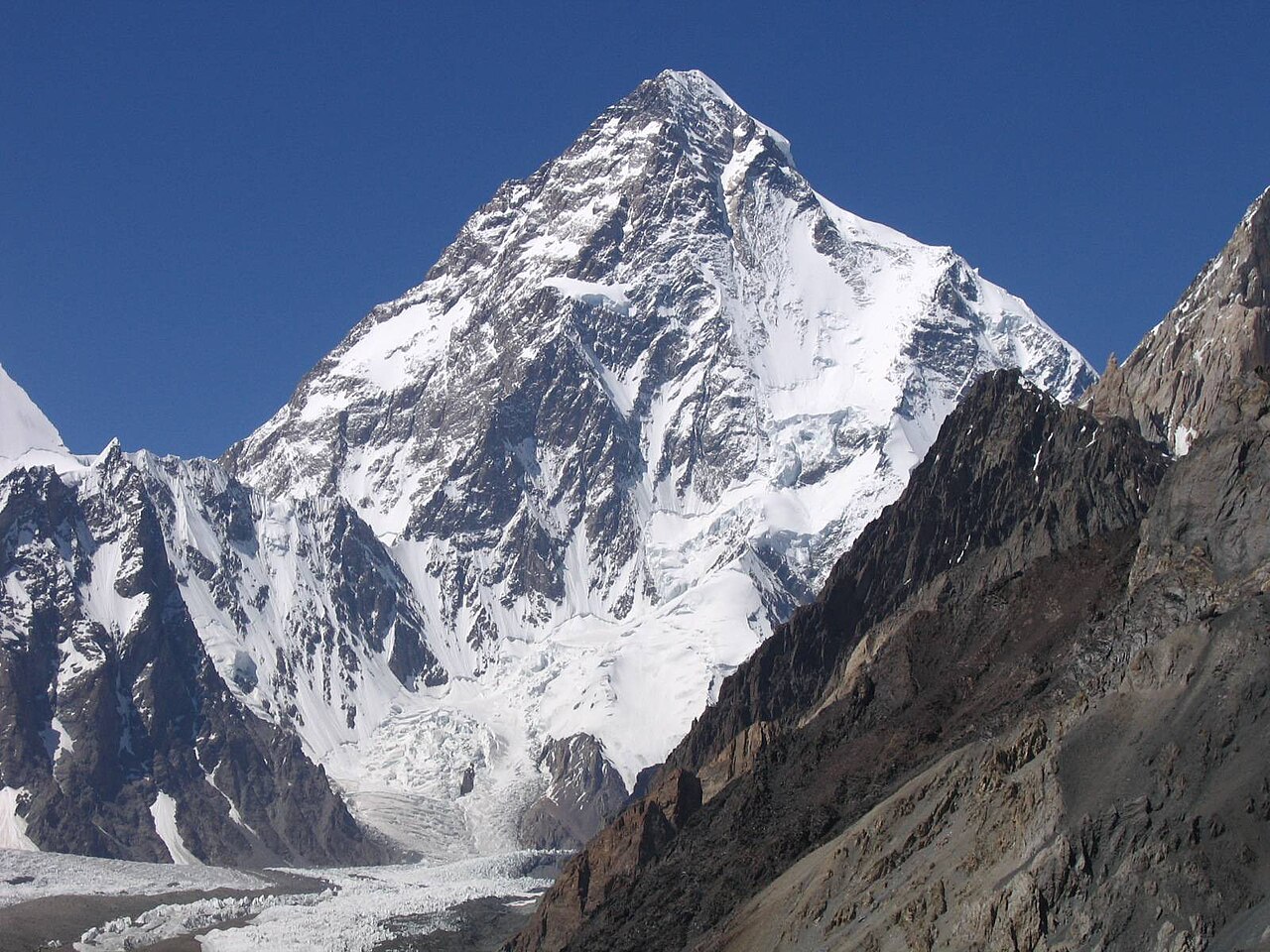
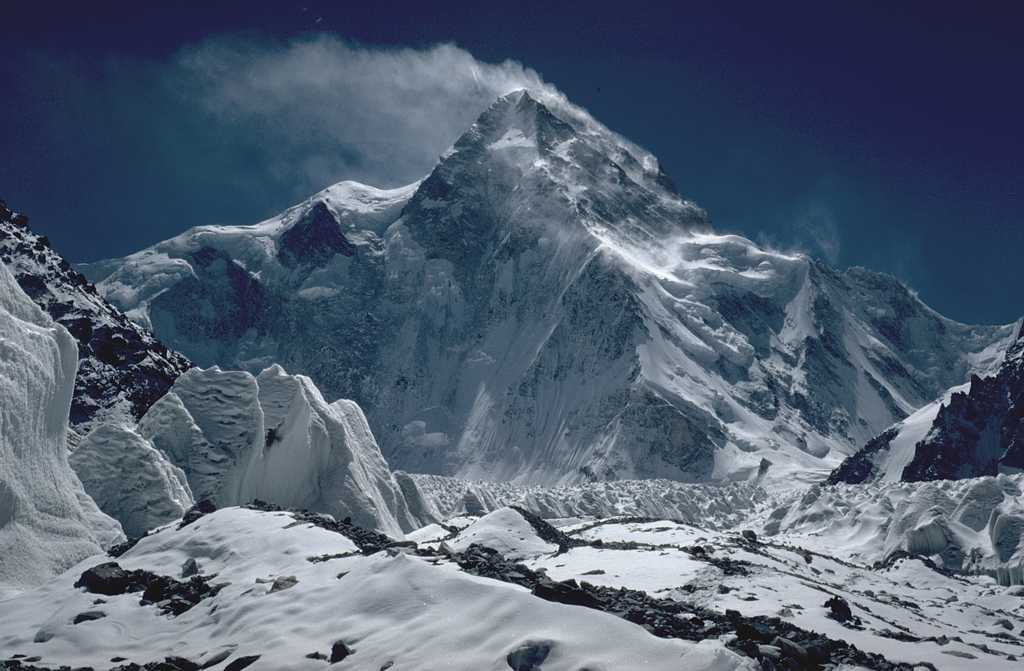
Meanwhile, over on K2 the Polish Ice Warriors have posted a short and sweet message about their current status. The entire team is now in Base Camp where they are resting and recovering from recent efforts. The group has now gone as high as 7200 meters (23,622 ft) in their acclimatization and gear shuttling efforts. They'll now spend a few days regaining some strength before launching the next phase of the expedition, which looks to make the first winter ascent of the mountain.

Finally, fresh off of his failed-attempt on Mt. Lucania with Pascale Marceau, Lonnie Dupre has announced he is about to embark on a late winter solo attempt on Mt. Hunter in Alaska. The peak was first climbed in winter back in 1980, but no one has managed to solo it during that season just yet. Dupre himself made an attempt last year, but was turned back on that expedition too. Now, he's returning to the 4441-meter (14,573-ft) peak to give it another go.

Hunter is considered one of the more challenging and technically demanding 14ers in North America.  This is especially true during the winter when high winds, deep snow, and brutally cold temperatures add to the equation. Durpre says he'll head to the mountain in the final week of February and will begin by first shuttling gear up the first 450 meters (1500 feet) to create and advanced base camp not he mountain. When the forecast gives him a good window, he'll launch a week-long, ultra-light push to the top. No doubt the plan is to sleep in snow caves like he did on his solo summit of Denali a few years back.

The entire expedition, which is dubbed "Cold Hunter One," is expected to take just 15 days to complete.

We'll of course keep an eye on all of these climbs as they continue to unfold.

Winter Climbs 2018: Continued Progress on K2, Still Waiting on Everest with One Month to Go

It will be an unusual week here at The Adventure Blog in terms of updates. I'm on the road a couple of days and then leave the country on Friday. But until then, we'll share any news we can on what's happening in the outdoor world of exploration and adventure, including the ongoing winter expeditions that we've been following on K2 and Everest, where one team is making steady progress, while the other continues to wait.

On K2, the Polish Ice Warriors are continuing to take what the mountain gives them and are slowly and steadily working their way upward. In the latest update on the expedition it was revealed that Adam Bielecki and Denis Urubko have now established camp at 7200 meters (23,622 ft), while other teammates are following behind in regular rotations. The entire squad continues to work on acclimatization and are shuttling gear and supplies up the mountain.

After making the change to the Abruzzi Route the team has had to reinstall fixed ropes and redo some of the work they had already done elsewhere. But, as of today, they still have one month to go to complete the first winter ascent of K2, so there is still plenty of time for them to put everything together, adjust to the altitude, and look for a weather window. But in another week or two, things will start to get tight, so making steady progress is important. Weather will ultimately dictate the final schedule, but the team is putting in the work to get them into the right position to potentially have a shot at reaching the top.

Meanwhile, over on Everest, Alex Txikon and crew continue to wait. High winds further up the mountain are preventing them from making a summit push. The team is ready to go but need a proper window that stays open for several days, before they can leave Base Camp. Some forecasts predicted that would happen early this week, but for now conditions have not improved enough to allow them to go up.

While in BC thins aren't completely without incident. Yesterday, Alex posted the video below on Facebook showing an avalanche that occurred above camp. These happen all the time and aren't dangerous provided you're not close to them, but the noise keeps everyone on their toes and watching the glacier above them.


Pakistani Officials Weigh in on Nanga Parbat Rescue Controversy

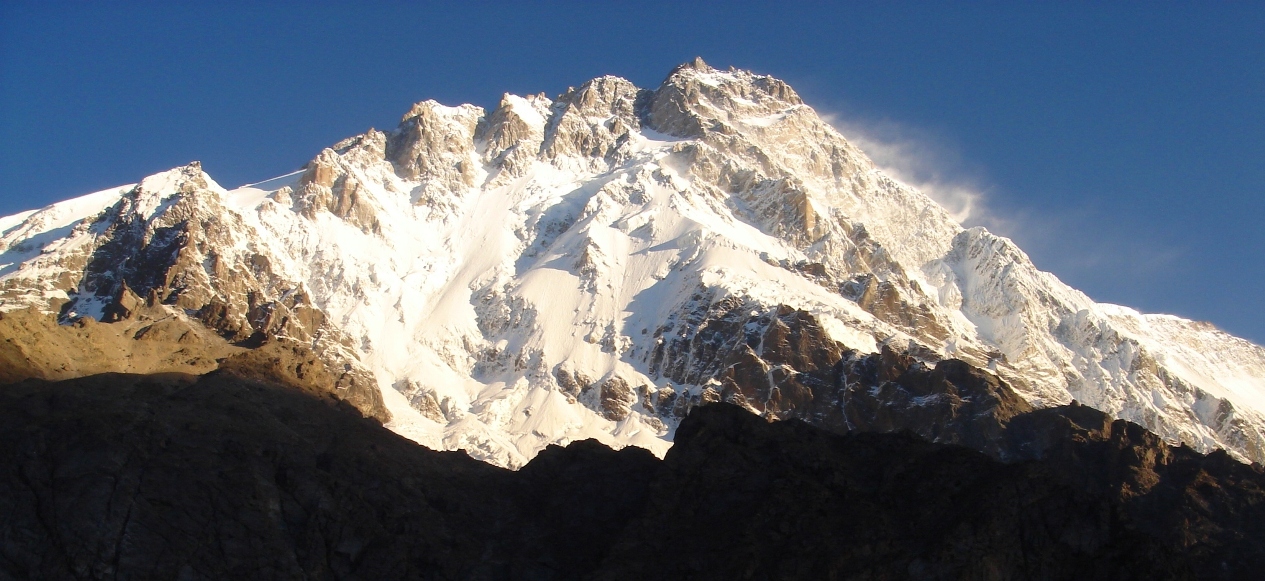
The rescue operation that took place on Nanga Parbat a few weeks back continues to be a source of frustration and controversy. While climbers from K2 were able to rescue Elisabeth Revol, they weren't able to climb higher to save Tomek Mackiewicz, which has created a contentious environment to say the least. Revol has expressed her anger over how slowly the operation came together, saying more than once that Tomek could have been saved had search and rescue teams responded more expediently. She has even said the company operating the helicopter raised the price of the flight in an effort to make more money off of the situation. While that remains under investigation, Pakistani officials have responded to criticism not just from Revol but the media as well, providing some insights into their side of the story.

In a post made to the Pakistan Mountain News page on Facebook officials made four points that they thought were important enough to share. Those points were as follows:
1. First, Pakistan is a developing economy and ‘Tourism’ sector receives much less attention. Despite, it has world’s best wonders. Neither there are institutions for high-demanding-skills rescue operation on mountain nor has it modern resource and equipment.
2. Second, these mountaineers go on Nanga Parbat at very economical package. Such economical packages do not cover many essentials. It is only their bravery and audacity that make them to summit in the winter.
3. Third, Askari Aviation does not have high-tech helicopters that can hover around in inclement weather condition. As it was coordinated rescue operation, nobody could help Tomek and Elisabeth in private capacity.
4. Lastly, Poland or French official authorities did not contact State of Pakistan officially after this rescue. However, Eisabeth was given utmost care and attention. The Chief Secretary of Gilgit-Baltistan enquired after her in hospital. She did not utter a word.
While some will probably look at this list and see a set of excuses, these are all very important things to keep in mind. Pakistan is indeed a developing country that doesn't have the resources of some other nations when it comes fountaining these kinds of operations. It is also true that Tomek and Elisabeth's expedition was a low-budget affair, leaving little room for error and not much in the way of a safety net if things went wrong. Unfortunately, things went very wrong, and they also didn't have the resources for a rescue.

Askari Aviation is the company that has received a lot of venom for not reacting quicker and potentially trying to bilk more money out of the operation. But it is also probably true that they don't have very sophisticated helicopter designed for use in the high mountains.

In other words, there are always multiple sides to a story and it is clear that we understand all of the variables at play. Clearly this is a complicated situation with a lot to think about. Sadly, Tomek lost his life, and because of that this will likely be a divisive topic for a long time to come.

Thanks to Alan Arnette for sharing this story.

Winter Climbs 2018: Is it Almost Go Time on Everest?

Since our last update on the winter climbs there hasn't been a whole lot of progress, but the future schedule is starting to become a bit clearer. Meanwhile, over on K2, things remain contentious, with one member of the team clearly unhappy with the current situation.

We'll start in Nepal, where Alex Txikon and his team have been relaxing and waiting in Base Camp. Everyone seems to be in good spirits while they watch the weather forecasts for an opportunity to make a summit push. Currently there is a projected weather window that could come next week on February 20, which means that everyone could be on the move as early as tomorrow to get themselves into position for a dash to the summit. The weather models predict that the wind speeds will die down at last, granting access to the top.

Of course, Alex, Ali Sadpara, and the rest of the squad will carefully pour over the data to ensure that it is safe to make the ascent, otherwise they'll just end up wasting energy. But, if there is a chance that they could complete the climb, it seems like they are poised to do so. Remember, the Basque climber will be going up without the use of supplemental oxygen, so this winter climb is far from a sure thing.

Over on K2, the Polish Ice Warriors continue their work on the Abruzzi Route. According to reports, Denis Urubko has now been as high as 6500 meters (21,325 ft) before being forced back down due to poor weather. The team has shuttled gear up to their new campsites but are now forced to stay in Base Camp while they wait for their next opportunity, which coincidentally could come on February 20 as well.

Perhaps the biggest challenge for the Poles at the moment is team unity. Urubko continues to criticize his teammates, the group's leadership, and even their selection of a climbing route. As usual, he seems like the strongest climber in the group, and has been shouldering much of the work up high, but he also hasn't held back in his critique of how things are going either, taking shots at the other climbers for things like not properly hydrating or assisting with the fixing of ropes. This discord can't be good for morale and could eventually lead to issues between the men. On the other hand, Urubko might be the team's best chance for getting to the summit, so it is a fine line to walk for sure.

We'll continue to keep an eye on things to see how they develop. Right now, the weather is keeping everyone in place, but it seems we're on the verge of summit bids on Everest, and possibly K2 as well. There are still four more weeks of winter to go however, so there is time for both teams to be patient and wait for the right opportunity.

Winter Climbs 2018: Poles Make a Change on K2, Summit in Siberia

While it has only been a couple of days since I posted my last update on the major winter expeditions that we've been following so far this year. There has been a steady stream of news over the weekend that makes it worth of yet another update. Things are happening quickly right now, and the fate of these climbs is hanging in the balance.

On K2, the Polish Ice Warriors team has made the jump from the Česen Route over to the Abruzzi after yet another climber suffered an injury, this time serious enough to send him home. Last week, you'll recall, Adam Bielecki was struck by a falling rock, breaking his nose and opening a cut that required six stitches to heal. Over the weekend, Rafael Fronia also was hit be a falling rock, this time breaking his arm. This was enough of an injury to send him packing for home, and convince the team to switch to what they hope will be a safer route.

While conditions have been cold and windy on K2, there hasn't been a lot of snowfall, making rockslides much more common. Frozen snow and ice helps to keep that kind of debris in place, but a lack of it has created unsafe conditions. The hope is that the longer, less-steep climb up the Abruzzi will help mitigate some of these issues.

Meanwhile, the team has had some internal problems it seems as well. Denis Urubko posted some blistering thoughts about the progress so far, blasting his teammates to a degree. Urubko took umbrage with the fact that he was the only one installing ropes at higher altitude, and was critical of the other climbers for not staying hydrated and using their cooking stoves inside tents that aren't ventilated properly. Are these messages signs of discontent amongst the group or just his frustration on the lack of progress thus far? We'll have to wait to see, but perhaps the change of route will be good for morale all around.

Over on Everest, the Alex Txikon, Ali Sadpara, and the rest of the team continue to wait out the winds. Conditions high on the mountain are expected to improve early this week and they are tentatively planning a summit push once the forecast indicates better weather. For now though, there isn't much to do but rest, watch the skies, and prepare for the work yet to come. With 5 weeks of winter still on the calendar, they can afford to be patient.

Finally, there is new of a successful summit in Siberia. Simone Moro and Tamara Lunger have reached the top of Pik Pobeda, a remote mountain located in the Chersky Range. The peak is just 3003 meters (9852 ft) in height, but it is located an a bitterly cold location. Last week, prior to launching their summit bid, temperatures were hovering around -40ºC/F, with winds making it feel even colder than that. Despite those conditions however, the duo were able to top out over the weekend, logging the first winter ascent of this mountain.

That's all for now. More updates soon.

Could Tomek Mackiewicz Have Been Saved on Nanga Parbat?

When it comes to mountaineering, second guessing is often a sport unto itself. Such is the case with the recent tragedy on Nanga Parbat, where Polish climber Tomek Mackiewicz lost his life, but a team of climbers on K2 risked their own to rescue French alpinist Elisabeth Revol. But now that the dust has settled, and the operation is being examined, Revol herself is lashing out at authorities in Pakistan, which she says didn't do enough to help save her friend. 

In an interview conducted on Wednesday, Revol said that she feels a lot of anger over the situation. She believes that Mackiewicz could have been saved had officials in Pakistan worked faster and been more forthright in their actions. The French climber says that she sent out an SOS to her husband, Tomek's wife, and Ludovic Giambiasi, who was helping coordinate the expedition from back home. Those three jumped into action to try to get help for Revol and Mackiewicz, but were met with resistance and stalling on the part of the Pakistanis. 

Perhaps the most disturbing element to the story is how the Pakistani helicopter rescue team began negotiating the price of starting the operation. According to reports, they initially wanted $15,000 to fly to Nanga Parbat to rescue Elisabeth and Tomak. But as things progressed, that price rose to $40,000 in cash and in advance, before the flight would ever leave the ground. 

It should be also noted that while high altitude rescues have become fairly common on Everest and other big Nepali peaks, in Pakistan they remain fairly rare. The pilots and SAR teams don't have much experience conducting such operations, which also makes them hesitant to go too high. Tomek was stranded at 7200 meters (23,622 ft), while Revol was told to descend down to 6300 meters (20,669 ft) to meet a rescue team. When she did that however, no one arrived to lend a hand and she was forced to spend another night exposed to the elements in a crevasse. This eventually led to her pulling her boots off while hallucinating, causing severe frostbite. 
Knowing these circumstances, it is easy to understand why Elisabeth feels such anger. She says that she only left Tomek behind because she was instructed to do so and was told that rescuers would go up to retrieve him. Obviously now she feels regret at that decision, although it most likely saved her life in the long run. 

Considering the description of the symptoms that Tomek was experiencing at the time, it seems unlikely that he was going to survive the expedition after making a late summit, but spending a night in a crevasse. Revol says that when she woke up the next morning, Mackiewicz was bleeding from the mouth and was unconscious, sure signs of altitude sickness. Unable to move himself, she really had no choice but to descend, and the hard reality is that her companion was quite possibly too far gone at that point regardless.

On the other hand, the fact that another 24 hours passed before anyone came to help leaves room to wonder. Had the Pakistanis reacted much more quickly, could they have saved Tomek too? For their part, the Polish team from K2 put in a heroic effort, climbing as fast as humanly possible considering the terrain and altitude. In the end though, poor weather moved in preventing them from going any higher.

The entire situation will no doubt spur a lot of debate within the mountaineering community. In the end, we'll never know for sure, but it is clear that if you're climbing in Pakistan it is important to understand all of the risks you could face. 

Winter Climbs 2018: Injury on K2, Summit Bid Scheduled for Everest

It seems the news from the two big winter expeditions that we've been following is coming at a fast pace. Just when you think there isn't much new to share, suddenly their is an update that brings important information. Such is the case for both K2 and Everest, where things are progressing nicely.

We'll start on K2 where the Polish Ice Warrior team continues to make slow but steady progress. They aren't particularly close to launching a summit bid, but with more than a month to go in the winter season, they still have plenty of time.

But, the team did have quite a scare this week when a large rock tumbled down the slope and hit Adam Bielecki in the face, breaking his nose and tearing a large gash in the process. Teammates Piotr Tomala and Marek Chmielarski performed emergency surgery in Base Camp, where Bielecki received six stitches after being helped down by two high altitude porters. He is not in any danger however, and will resume climbing after resting for a few days.

The rest of the team has continued with its regularly scheduled acclimation rotations, with several members now having spent the night at Camp 2 to allow their bodies to become accustomed to the altitude. The winds have been remained fairly light, at least below 6500 meters (21,325 ft) so far, although snow seems to be falling steadily on most days. How that will impact things as the team goes higher has yet to be seen, but for now things are going according to plan.

Over on Everest, Alex Txikon and Muhammad Ali Sadpara are starting to see their schedule firm up as well. The squad has been in Base Camp after climbing as high as 7850 meters (25,754 ft), poor weather forced them back down to BC where they have been waiting for things to improve for the past week or so. High winds and heavy snow have kept them in place, but things may be improving.

To make matters worse, sections of the Khumbu Icefall have collapsed as well, forcing the team to repair the route they are using through that treacherous section of the mountain. For now, things seem to be holding, but it is a good reminder that the icefall is extremely dangerous, even during the more frigid months of the year.

Conditions are expected to get much better starting this weekend however, which could clear the path for them to go back up next week. In fact, Ali Sadpara has said as much on Facebook indicating that they hope to make a summit push next week. We'll have to wait to see if the summit window actually opens, but for now things are looking optimistic.

Elsewhere, the Pakistani team making the first winter ascent of Mashbrum II has called it quits after finding too much snow on the route. It was making the climb without much funding or resources, and the conditions were just too much for them to overcome. The team is already on its way home.

Finally, there has been an update from Simone Moro and Tamara Lunger, who are attempting to climb the 3003 meter (9852 ft) Pik Pobeda located in the Chersky Range of Siberia. The duo have been on the mountain for awhile now and have established Base Camp and Camp 1. They indicate that there is a lot of snow there and temperatures are hovering around -45ºC/-49ºF, with strong winds.

That's all for now. More updates soon I'm sure.

Winter Climbs 2018: Poles Reunited on K2

While most of us in the U.S. gathered around our television sets to watch the Big Game yesterday, the winter mountaineering expeditions that we've been following closely over the past month or so continued to work towards their goals. As usual, weather is the biggest stumbling block at the moment, although the squads on K2 and Everest are extremely happy with the way things are progressing.

We'll start in Pakistan, where the Polish Ice Warriors have reunited on K2. You'll recall that several members of the team left Base Camp last week to assist in the rescue of Elisabeth Revol on Nanga Parbat. After getting her back down the mountain safely, they accompanied her to Islamabad before catching a flight out to Skardu where they could then return to BC. But weather kept them grounded for several days, preventing them from getting back to the work at hand. Late last week however, things cleared up just long enough to allow the entire team to gather together once again and resume their efforts to make the first winter ascent of K2.

The team didn't waste and time in getting back to work either. Well rested after a few days off the mountain, and with a weather window to take advantage of, Denis Urubko and Marcin Kaczkan immediately went up the mountain and have now spent the night in both Camp 1 and 2. That helps to maintain their acclimatization efforts as they look to go higher soon. Depending on the weather conditions, they may even proceed up the peak tomorrow, looking to establish C3 and possibly even spend the night there as well.

In other words, things are back to "normal" on K2.

Meanwhile, over on Everest, Alex Txikon and company have been stuck in Base Camp for a few days. High winds have blasted onto the mountain, keeping them from climbing any higher for now. The team was likely ready for a break, so this weather front may have come at a good time. Last week they reached 7850 meters (25,754 ft) and have been climbing ahead of schedule for the entire season. A bit of down time in BC will allow them to rest, recharge their batteries, and get ready for the next push up the mountain. I would imagine they'd like to establish a camp above 8000 meters, and maybe spend some time acclimatizing above that altitude before making plans for a summit attempt.

Remember, this isn't just about climbing Everest during the winter, which is a pretty impressive feat in its own right. Alex is hoping to summit without the use of bottled oxygen as well, making this truly an expedition for the ages. Technically, there has only ever been one another true winter expedition to Everest, and only one person has ever topped out without oxygen as well. If he is successful, it will be one of the most impressive feats on Everest in recent memory, if not ever.

That's it for now. I'll continue to keep an eye on things on both of these major expeditions and post updates when there is important news to share.

Nanga Parbat Debrief: More Details Emerge on Tragic Expedition

A week ago, the mountaineering world stood still as we all watched the events that were unfolding on Nanga Parbat as they occurred in realtime. It was a scary, crazy situation that played out like a movie, with a result that was both triumphant and tragic at the same time. Now that we've allowed a bit of distance to pass, we're learning more about exactly what happened as survivor Elisabeth Revol shares her story.

According to Revol, she and Tomek Mackiewicz set out for the summit late last week as expected, The duo were attempt to become just the second team to climb Nanga Parbat during the winter, a project that Tomek had been focused on for more than seven years. The two climbers were successful in that venture, reaching the top of the 8125-meter (26,526 ft) peak late in the day. But, they had pushed their luck too far and arrived around 6:00 PM local time, which meant that they couldn't spend much time at all on the summit.

To make matters worse, as they turned to go back down Tomek revealed that he had lost his eye site. Revol says that he hadn't used a mask during the ascent because of the hazy conditions, and after hours of exposure he was suffering from snow blindness. The two carefully made their way back down the mountain with the Frenchwoman leading the way and her Polish climbing partner handing on to her shoulder.

From there, Mackiewicz's condition only continued to deteriorate. His breathing started to become irregular and both climbers were suffering from frostbite. With exhaustion setting in, they knew they wouldn't be able to reach their high camp, so they sought shelter at 7200 meter (23,622 ft) to try to wait out the night.

By dawn, Tomek was bleeding from the mouth and had mostly slipped into unconsciousness. It was then that Elisabeth called for help and was told that if she descended to 6000 meters (19,685 ft) rescuers could come get her and they could go up to retrieve Mackiewicz too. So, she moved the Polish climber into a crevasse for protection from the wind and started down the mountain.

But help didn't come that day, and both climbers were forced to spend another night outdoors. It was then that Revol began to hallucinate believing that someone had come to bring her hot tea. She says that she believed that in order to repay them she needed to give them her shoes, so she removed her boots. She wandered around barefoot for more than five hours, which induced severe frostbite, the damage from which is still being assessed.

Eventually she was able to descend into one of the team's campsite and as she arrived she saw two headlamps coming through the night. They belonged to Polish climbers Denis Urubko and Adam Bielecki who had flown by helicopter from Base Camp on K2, and put in their own superhuman effort to get up the mountain and locate Revol. They got her into a tent as soon as possible and began treating her for exposure.

The rescue team was also faced with a tough decision at that point. They had stabilized Elisabeth but she was still in danger, meanwhile Tomek was still further up the mountain and likely in critical condition if not already dead. If they went up to find him, there was a good chance they wouldn't locate him at all, plus poor weather was setting in. They made the tough choice to stay with the Frenchwoman to ensure that she survived and got down safely.

Currently, Elisabeth is in a hospital in France where she is recovering and the damage from the frostbite is being assessed. There could be amputations still coming, although doctors are hoping to save her fingers and toes. A decision is expected on that process within a day or two.

As you can imagine, she is extremely emotional and still suffering from exhaustion and exposure. The entire expedition has been a challenge and at the end she was forced to make what is likely the toughest decision of her life. Leaving her friend behind was incredibly difficult and she will no doubt carry the emotions of that for a long time to come.

You can read more about the story here.

Winter Climbs 2018: Everest Team Nears 8000 Meters, It's Over on Mt. Lucania

We've got more news today from the big winter expeditions that we've been following this year, some good, some not so good. And as the season progresses, we're reminded why this is the toughest, most demanding, and brutal season of all.

We'll start with an update from Everest, where when we last checked in the team was heading up to Camp 3 for a night to continue their acclimatization process. That plan went well, and the following day Alex Txikon and company continued upward to 7850 meters (25,754 ft) before turning back. It seems that they could have potentially gone up to Camp 4 above 8000 meters (26,246 ft), but one of the climbers started to feel under the weather and the high winds began to move into the area. At that point, the squad decided that they had done enough this week, and proceeded back down the mountain. At the moment, they are all gathered back in Base Camp, where they will rest, recuperate, and watch the weather forecast before deciding when they'll head back up again.

Meanwhile, over on K2, the Polish Ice Warrior team isn't waiting around for their compatriot to rejoin them before heading back up the mountain. Several members of the group were involved in the rescue operation that helped bring Elisabeth Revol safely down the mountain, and those climbers are still in Skardu awaiting improved weather to catch a helicopter flight back to BC. In the meantime, two other members of the squad – Artur Malek and Merek Chmielarski – have set off today back up to Camp 1 to check the status of their ropes and gear.

Once the entire team is reunited and back to full strength, they'll continue their regular climbing operations. The next goal will be to establish Camp 3 somewhere around the 7000 meter (22,965 ft) mark. Before that can happen however, the weather will first have to allow the climbers in Skardu to return to BC, and then stay calm enough to allow them to resume shuttling gear up the Česen Route. It could be a few days yet before those things happen.

Finally, we get the disappointing news today that Lonnie Dupre and Pascale Marceau have pulled the plug on their attempt to climb Mt. Lucania in Canada. Conditions have been difficult from the start on this expedition, and they were made worse when the duo couldn't be dropped off at their preferred starting point due to poor conditions. That meant they had to manhaul their sleds further than they had planned, leaving them exhausted before they ever made camp. After that, they discovered the route they had intended to take up the mountain was impassable, and to make matters worse, the high winds and extreme cold made it impossible to get warm, even in their sleeping bags inside a tent each night.

So, with all of that in mind, Dupre and Marceau have skied back to their pick-up point and are waiting for a plane to pick them up. The weather will dictate when exactly that will happen, but they could be retrieved as early as today.

There are a couple of other winter expeditions that are ongoing, although we've had few updates from so far. For instance, according to Alan Arnette, Simone Moro and Tamara Lunger have only now just arrived on Pik Pobeda in remote Northern Siberia, while ah team of Pakistani climbers has set its sights on Masherbrum II. There have been few dispatches on either squad to know if they have made much progress however.

For now, we'll continue watching Everest and K2 to see how things progress.

Winter Climbs 2018: Camp 3 on Everest, K2 Team in Skardu

The tragic events on Nanga Parbat have dominated the mountaineering news cycle over the past few days, leaving most of us on the edge of our seat as we watched those events unfold. With the outcome now revealed, it is time to get back to climbing and we have updates from the major expeditions currently underway.

We'll start on Everest, where Alex Txikon and Muhammad Ali Sadpara reveal that they were also following the events on Nanga Parbat closely. Txikon had climbed with Tomak in the past and is no doubt feeling the loss deeply. But, he still has things that he needs to accomplish on the highest mountain on the planet, and the team continues to make good progress there.

Alex and company have now established Camp 3 on the mountain and spent last night in C2 as part of their acclimatization efforts. Today, they'll shuttle more gear up to Camp 3 and will spend the night there as well. After that, it will be back to Base Camp to rest and recuperate before deciding their next move. If a weather window comes, and the team is feeling strong, it is possible they could start to talk about summit bids. Alternatively, they could also look to establish Camp 4 before even thinking about going any higher. They still have plenty of time left in winter and there is no major rush, although they will have to take advantage of any weather windows that come their way. For now, the plan will be to wait and see what Everest offers them.

The members of the Polish team that assisted in the rescue operations on Nanga Parbat are preparing to head back to K2 to resume their own expedition there. After helping get Elisabeth Revol down the mountain and back to Islamabad, the squad has now gathered in Skardu where they are waiting for the weather to improve before going back to Base Camp. That could take a few days but they are committed to resuming their attempt to become the first to summit K2 in winter, despite the effort they just put in as part of the search and rescue team.

Finally, Lonnie Dupre and Pascale Marceau are finding it tough going on Mt. Lucania in Canada. The duo have been tentbound for the past two days with high winds preventing them from climbing higher up the mountain. They are currently camped at 12,000 feet (3673 meters) while 40 mph (64km/h) winds whip outside their shelter. Wind chills have dropped the temperature to roughly -42ºF/C, making it dangerous to be outside in those condition.

The plan is to wait out the storm, and drop down to a safer location before reevaluating the situation and planning their approach to the summit. At 17,257 feet (5259 meters) in height, Lucania doesn't push climbers with its altitude. Instead, it offers technical challenges and difficult weather instead, which is exactly what Lonnie and Pascale are feeling at the moment.

That's all for today. I'll post more updates when there is news to share.

Tomek Mackiewicz Perishes on Nanga Parbat Following Heroic Rescue Attempt

While I was away at Winter Outdoor Retailer last week, one of the biggest stories in recent memory from a mountaineering aspect was unfolding on Nanga Parbat. The massive peak known as "the Killer Mountain" amongst alpinist was the backdrop for a dramatic rescue attempt that left one climber dead, while rescuing another.

When last we checked in on the winter climbing expeditions, Tomek Mackiewicz and Elisabeth Revol were in Camp 3 on Nanga Parbat waiting out poor weather conditions. They had planned to move up to C4 later in the week and then make an attempt on the summit on Thursday or Friday. Unfortunately, things didn't go as planned and they found themselves in trouble when descending from the 8000-meter (26,246 ft) mark.

Eventually the duo were able to descent to 7400 meters (24,278 ft) where they huddled in the tent. It was at that point that Revol discovered that her climbing mate was suffering from severe frostbite and snow blindness. Eventually, Tomek would slip into unconsciousness as well, leaving the Frenchwoman to make what was probably the hardest decision of her life. With things looking very grim, she made a call to inform their support team to the situation and began descending the mountain on her own. She had no food or water and had been high on the mountain for several days.

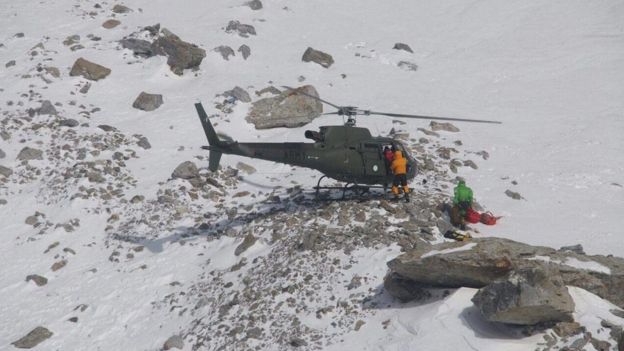
When the Pakistani government received word of the situation they contacted the Polish team attempting the first winter ascent of K2 to see if they could help. The rescue operation was delayed due to poor weather, but on Friday Denis Urubko, Adam Bielecki, Piotr Tomala and Jarek Botor were picked up by helicopter in K2 Base Camp and flown to Nanga Parbat to launch a rescue operation.

Urubko and Bielecki were the tip of the spear in that operation, setting off at lighting quick speed to go up the mountain in an attempt to bring Tomek and Elisabeth down. They flew up the Kinshoffer Route covering an astounding 1250 meters (4101 ft) in seven and a half hours. That is an amazing pace considering how technical the route is and the fact that they were climbing at night.


Eventually, Denis and Adam were able to locate Elisabeth, but the weather began to deteriorate at a rapid rate and they were forced to turn back down. She was suffering from frostbite and hadn't had any water or food for more than two days. But, they were able to get her safely down from the mountain where she was taken by helicopter to Islamabad for medical attention. Unfortunately, the poor conditions prevented anyone from being able to climb up to Tomek's position, and the Polish climber is now believed to have died on the mountain.

One of the key aspects of this story is that the mountaineering community from around the world rallied together to raise the necessary funds to mount the rescue operation in the first place. Hiring a helicopter in Pakistan is not cheap or easy, and the Nanga Parbat expedition was a low-budget affair. But, when word of the situation reached the rest of the world, a fundraiser was launched to help with the process. That fundraiser is still going on, with the money now being directed to Tomek's wife and three children.

This is a sad story all around. Tomek has been obsessed with climbing Nanga Parbat for the better part of the past decade, spending seven winter seasons in his attempt to reach its summit. Finally he is at rest on the mountain that he had spent so much time trying to crack. Elisabeth reportedly has severe frostbite on three of her toes and is in a weakened state, but is otherwise in good condition. She will likely fly home in a few days time, although she will no doubt be haunted by the experience for years to come.

The Poles on K2 put up a heroic effort and will now return to Base Camp on that mountain as well. They'l resume their expedition there and will continue the pursuit of the first winter ascent of K2 in the days ahead.

Our condolences go out to Tomek's friends and family. It is a terrible loss and he will indeed be missed.

Winter Climbs 2018: Summit Bid on Nanga Parbat, Updates From K2 and Everest

More new from the major winter climbing expeditions this season with progress on just about every front. Lets get into the latest updates from all over.

We'll start today on Nagna Parbat, where it appears that Tomek Mackiewicz and Elisbeth Revol are preparing to make an attempt on the summit. The duo arrived on the mountain just after Christmas, and have been acclimatizing there ever since, but for the past two weeks they've been bogged down with high winds. Yesterday, those winds subsided at last, and they now report good conditions. After making a gear deposit at 6700 meters (21,981 ft), they now report that they are going for the summit.

If they launched that bid yesterday, and everything goes exactly right, they may top out as early as Sunday or Monday of this coming week. It is a tough ascent, and snow and ice don't make it any easier, but it is definitely possible for them to complete the climb in that time frame depending on the conditions. In winter however, deep snow could slow their progress. For now, we'll just have to wait and hope that the weather window stays open long enough for them to reach the summit.

Over on K2, the winds have died down as well. The Polish Ice Warrior team had expected conditions to be bad for several more days at the least, but the weather has improved dramatically. This has allowed them to begin sending gear up to their first campsite, which will actually be in what is traditionally C2, located at 6200 meters (20,341 ft).


After scouting the mountain and having a look at the conditions there, the team has elected to try the Česen Route rather than the Abruzzi. As Alan Arnette reports, this is a steeper route, but has some serious advantage, namely it will allow the strong Polish climbers to cover more ground at a faster pace. It also avoids some of the more technical rock climbing sections that can slow climbers down tremendously.

Finally, the Everest winter team of Alex Txikon and Muhammad Ali Sadpara have left Base Camp, but aren't heading back up the mountain. Instead, they'll jump over to nearby Pumori for some much needed acclimatization before going higher on the Big Hill. The reason for the shift is to avoid going through the dangerous Khumbu Icefall too often. On Pumori they can go up and down the mountain much more safely, at least to Camp 2. Higher than that they run the risk of serious avalanches, although I haven't seen a report on the snow conditions on that mountain this season, so it is possible they will head up to the summit if it is safe to do so.

After they've done a few acclimatization rotations on Pumori, they'll head back to Everest and resume their operations there. For now though, they're content with getting their bodies ready for higher altitude on a generally safer peak.

More to come soon.

Winter Climbs 2018: Camp 2 on Everest, Stalled Out on K2

The major mountaineering expeditions that we're following this winter seem to have updates on an almost daily basis at the moment. That's a bit unusual considering the weather can often cause them to stall out for extended periods of time. But, there is news on several fronts with progress being made.

On K2, the Polish team reports that two of the members of the team have now gone up to 5900 meters (19,356 ft) and returned safely to Base Camp. Their jaunt up the mountain was meant to scout the route, and they discovered that there was little protection from the elements to be had in their intended spot for Camp 1, so instead they will set things up at 6200 meters (20,341 ft) instead.

The plan is to start shuttling gear to that spot in the coming days, but high winds are expected to hit the mountain soon, which will leave them tentbound in BC while they wait for things to improve. After that, they'll continue their acclimatization and gear shuttling efforts.

While the Poles sit and wait for the weather to improve, Alex Txikon continues to make good progress over on Everest. After spending the night at Camp 1 on Sunday, the following day he and one of the Sherpas made their first foray up to Camp 2 at 6500 meters (21,325 ft). Right now, the expedition is running well ahead of schedule, shaving off several days from the timetable that was used last year.

Alex, climbing partner Ali Sadpara, and the Sherpa support team have taken advantage of a good weather window to get plenty of work done on the mountain, including shuttling 600 meters of rope up to C2. They are currently back in Base Camp and resting up, with the Basque mountaineer reporting that high winds hit Everest while they were on their descent, so it could be a few days before they head back up again.


Finally, after a few delays due to poor weather conditions, Lonnie Dupre and Pascale Marceau should be ready to fly out to their starting point today. They've set their sights on Mt. Lucania, located in the St. Elias Range in a remote area of the Canadian Yukon. At 5240 meters (17,192 ft) in height, it is the third highest peak in Canada. What makes it so intriguing is the extreme cold they'll face on the way to the top.

High winds and cold temperatures kept the duo's flight grounded for the past few days, but conditions have improved enough to allow them to get started today. The'll be dropped off at a safe landing zone, then ski to the mountain, pulling sleds filled with gear behind them as they go. Those sleds will have about 100 pounds (45 kg) of supplies and gear to help get them through this expedition.

Stay tuned for more updates as the season continues to unfold.

Winter Climbs 2018: Teams Reach Camp 1 on Everest and K2

Despite the fact that the winter climbing season is really just getting underway in the Himalaya and Karakoram, good progress is already being made by the teams on both Everest and K2. The squads on those mountains have taken advantage of good conditions and have spent little time in Base Camp before heading up to Camp 1.

Alex Txikon, Ali Sadpara, and their support team have already been very busy on Everest. Not only did they shuttle their first gear loads up to C1 by Thursday of last week but today they'll be spending the night at that spot as they truly begin their acclimatization process. It took the team just four days to finish the route through the Khumbu Icefall, which is a pretty impressive accomplishment to say the least. Remember, during the spring climbing season on Everest, there is a whole team of Sherpas who handle those duties.

So far, Alex and his crew are ahead of last year's schedule. It has taken a lot of work for each man to carry loads as heavy as 35 kilos (77 pounds) up the slopes to the C1 campsite, but as of now they have finished that process about five days faster than they did last year. There is obviously still a lot of work to be done for the Basque mountaineer to claim his no-oxygen winter ascent, but things are definitely off to a good start.

Meanwhile, the Poles are also making good headway in their efforts on K2. As of today, they have not only established Base Camp on that mountain, but they have also set up their communications systems to share progress with the rest of the world too. Apparently they haven't been resting on their laurels since arriving in BC last week either, as they have already climbed as high as 5700 meters (18,700 ft) while scouting the route and acclimatizing. Tomorrow they will make their first foray up to 5900 meters (19,356 ft) to begin shuttle gear to create Camp 1 at that point as well.

Finally, Lonnie Dupre and climbing partner Pascale Marceau have delayed the start of their climb on Mt. Lucania in Canada after the weather took a turn for the worse. The mountain is currently experiencing temperatures that are hovering around -40ºC/F with the windchill and windspeed in the 45+ km/h (27 mph) range. Those speeds are down from as much as 110 km/h (68 mph) over the weekend, but things should improve further over the next few days. They hope to get a good window for their flight to the mountain where they can finally get underway.

Stay tuned for more updates as the season continues to unfold.

Winter Climbs 2018: Teams Reach Camp 1 on Everest and K2

Despite the fact that the winter climbing season is really just getting underway in the Himalaya and Karakoram, good progress is already being made by the teams on both Everest and K2. The squads on those mountains have taken advantage of good conditions and have spent little time in Base Camp before heading up to Camp 1.

Alex Txikon, Ali Sadpara, and their support team have already been very busy on Everest. Not only did they shuttle their first gear loads up to C1 by Thursday of last week but today they'll be spending the night at that spot as they truly begin their acclimatization process. It took the team just four days to finish the route through the Khumbu Icefall, which is a pretty impressive accomplishment to say the least. Remember, during the spring climbing season on Everest, there is a whole team of Sherpas who handle those duties.

So far, Alex and his crew are ahead of last year's schedule. It has taken a lot of work for each man to carry loads as heavy as 35 kilos (77 pounds) up the slopes to the C1 campsite, but as of now they have finished that process bout five days faster than they did last year. There is obviously still a lot of work to be done for the Basque mountaineer to claim his no-oxygen winter ascent, but things are definitely off to a good start.

Meanwhile, the Poles are also making good headway in their efforts on K2. As of today, they have not only established Base Camp on that mountain, but they have also set up their communications systems to share progress with the rest of the world too. Apparently they haven't been resting on their laurels since arriving in BC last week either, as they have already climbed as high as 5700 meters (18,700 ft) while scouting the route and acclimatizing. Tomorrow they will make their first foray up to 5900 meters (19,356 ft) to begin shuttle gear to create Camp 1 at that point as well.

Finally, Lonnie Dupre and climbing partner Pascale Marceau have delayed the start of their climb on Mt. Lucania in Canada after the weather took a turn for the worse. The mountain is currently experiencing temperatures that are hovering around -40ºC/F with the windchill and windspeed in the 45+ km/h (27 mph) range. Those speeds are down from as much as 110 km/h (68 mph) over the weekend, but things should improve further over the next few days. They hope to get a good window for their flight to the mountain where they can finally get underway.

Stay tuned for more updates as the season continues to unfold.

Winter Climbs 2018: Into the Icefall on Everest, Poles in BC, and a Death on Lobuche

The winter climbing season is starting to pick up steam as the climbers continue to get settled on their respective mountains and prepare for the challenges ahead. But while two major expeditions start to take shape, we get the tragic news of a death on Lobuche East as well.

We'll start with an update from Alex Txikon on posted news on Facebook a few days back that he and his team have started their foray into the Khumbu Icefall on Everest. As many of you know, this is one of the most treacherous segments of the climb from the South Side, requiring patience, stamina, and a nerves of steel. In the video below, you'll see why this is such a dramatic section as we watch Alex work his way across open crevasses while dragging a large duffel bag and having a ladder strapped to his back. Those ladders are place over the crevasses in order to form makeshift bridges that the climbers will walk across on their way up to Camp 1. It is all a bit unsettling, but just another day at the office on Everest.

After working hard in the icefall on Tuesday, the team took yesterday off, and will resume their work today. Alex has vowed to not push it too hard in the early days of the expedition however, learning from last year that it is best to save your strength for the work yet to come.


Meanwhile, the Polish Ice Warriors team that has set its sights on K2 this winter has also shared an update with the news that they have now arrived in Base Camp. According to a blog post to the team's website, they reached BC at 5000 meters (16,404 ft) on Tuesday afternoon and have been getting settled there ever since. They hope to begin actual climbing operations within the next few days.


Already things have been more challenging than expected for the Poles. The 100 km (62 mile) trek to the base of the mountain was made more difficult by colder temperatures, heavy cloud cover, and some snow. But, now that they are in camp, things have improved some. Now, they will begin the work of establishing the route up to Camp 1, which will sit at 5900 meters (19,356 ft).

Tomek Mackiewicz and Elisabeth Revol continue their attempt at a winter summit of Nanga Parbat, but there has been little word on their progress since it was reported that they had acclimated above 6000 meters (19,685 ft) last week. A message posted from Tomek's home team indicates that there is limited connectivity in Base Camp, so it is difficult to share progress reports. But, the duo are reportedly waiting out heavy winds in BC before heading up once again.

Finally, sad news out of Nepal today where it has been revealed that Austrian climber Markus Schett has died on Lobuche East. Schett was there making a late autumn summit attempt on the mountain when he went missing back on December 19. He was last seen by his support team on that date, when he and his Sherpa guide launched a summit bid. The duo separated at some point higher on the peak, with the Austrian making an attempt to summit without his assigned guide, who ended up waiting for him to return for hours.

Schett's fate was unknown until another team spotted his body high on the slopes on December 29. Markus' family was later informed of his death and they asked to leave his body on the mountain, but that is now prohibited by law, so Nepali authorities are working out the logistics of trying to bring him down.

Our condolences go out to his friends and family.

Video: Concordia - The Throne Room of the Mountain Gods

Earlier today when posting about the Polish winter K2 team I wrote that they had reached Concordia, which is close to where they will establish Base Camp on the mountain. If you're not familiar with this place, this video will give you a sense of what they are seeing. It is a spectacular point with amazing views of the surrounding mountains, including four 8000-meter peaks – K2, Broad Peak, Nanga Parbat, and Gasherbrum I. Check it out below.

Winter Climbs 2018: Poles Nearing K2 Base Camp, Another Winter Expedition Begins

The winter climbing season is still just getting underway with major expeditions just starting to get settled on their respective mountains. The list of teams heading to major peaks this year continues to grow, and it is now shaping up to be quite an interesting season indeed. Perhaps the most intriguing of all is the Polish team on K2, where they hope to complete the first winter ascent ever of that mountain. Right now however, they are still en route to Base Camp, where the real work will finally get underway.

According to a post on the team's Facebook page, they reached Concordia this morning. Those who follow K2 expeditions closely know that Concordia is a crossroads of sorts on the way to the mountain, and that they are now very close to reaching BC. They should arrive there in the next day or two, at which point they'll begin to settle on the mountain and start scouting potential routes to the summit.

The team isn't traveling light and fast by any means. Alan Arnette reports that they have more than 100 porters helping to shuttle their gear to Base Camp, and early indications were that they were bringing more than a ton of equipment and supplies with them. In other words, they're preparing to settle in for the long haul, as K2 isn't likely to give up its summit easy.

Elsewhere, Alex Txikon and climbing partner Ali Sadpara have established Base Camp on Everest and are preparing to begin their first forays into the Khumbu Icefall as they start to carry gear up to Camp 1. Before they do that however, they must first complete their puja ceremony asking for the mountain gods to protect them while stepping foot on the sacred mountain. The puja is an important step, as the Sherpa contingent of the team won't begin climbing until it is done. That should take place today or tomorrow.

The team has suffered an injury already however, resulting in the Base Camp manager being evacuated from the mountain. Apparently he fell while scrambling around BC, opening up a wound that would not stop bleeding. It doesn't seem that it was a serious situation, but he had to be pulled off the expedition for now nonetheless.

Finally, Alan is also reporting that a team of Pakistani climbers are making an attempt at a first ascent on Masherbrum 2, a 7200-meter (23,622 ft.) peak that remains unclimbed in winter. The squad plans an alpine style ascent, will go light and fast, and have just 30 days to pull of the expedition. They left for Skardu on January 5 and will be in BC soon, with a hard out date of February 8.

That's all for today. More news as we get it.

Winter Climbs 2018: Poles Nearing K2 Base Camp, Another Winter Expedition Begins

The winter climbing season is still just getting underway with major expeditions just starting to get settled on their respective mountains. The list of teams heading to major peaks this year continues to grow, and it is now shaping up to be quite an interesting season indeed. Perhaps the most intriguing of all is the Polish team on K2, where they hope to complete the first winter ascent ever of that mountain. Right now however, they are still en route to Base Camp, where the real work will finally get underway.

According to a post on the team's Facebook page, they reached Concordia this morning. Those who follow K2 expeditions closely know that Concordia is a crossroads of sorts on the way to the mountain, and that they are now very close to reaching BC. They should arrive there in the next day or two, at which point they'll begin to settle on the mountain and start scouting potential routes to the summit.

The team isn't traveling light and fast by any means. Alan Arnette reports that they have more than 100 porters helping to shuttle their gear to Base Camp, and early indications were that they were bringing more than a ton of equipment and supplies with them. In other words, they're preparing to settle in for the long haul, as K2 isn't likely to give up its summit easy.

Elsewhere, Alex Txikon and climbing partner Ali Sadpara are established Base Camp on Everest and are preparing to begin their first forays into the Khumbu Icefall as they start to carry gear up to Camp 1. Before they do that however, they must first complete their puja ceremony asking for the mountain gods to protect them while stepping foot on the sacred mountain. The puja is an important step, as the Sherpa contingent of the team won't begin climbing until it is done. That should take place today or tomorrow.

The team has suffered an injury already however, resulting in the Base Camp manager being evacuated from the mountain. Apparently he fell while scrambling around BC, opening up a wound that would not stop bleeding. It doesn't seem that it was a serious situation, but he had to be pulled off the expedition for now nonetheless.

Finally, Alan is also reporting that a team of Pakistani climbers are making an attempt at a first ascent on Masherbrum 2, a 7200-meter (23,622 ft.) peak that remains unclimbed in winter. The squad plans an alpine style ascent, will go light and fast, and have just 30 days to pull of the expedition. They left for Skardu on January 5 and will be in BC soon, with a hard out date of February 8.

That's all for today. More news as we get it.