Last spring, mountain runner Kilian Jornet completed his Summits of My Life project by reaching the top of Mt. Everest not once, but twice. Now, a documentary film about that expedition is about to be released and we have the teaser trailer for it below. That's really all the set-up you need. Can't wait to watch the full film.
Showing posts with label Tibet. Show all posts
China and Nepal are Battling it Out for the Future of Everest
Last week I wrote a story about how evolving politics and climate change are having an impact on expeditions to Everest. That post was prompted by an article from Channel Newsasia, which examined a potentially growing trends of mountaineering operators choosing to head north into Tibet rather than staying in Nepal. Now, another article is taking a closer look at what could be a mounting battle between the two nations to see who will lure climbers to the world's highest peak in the future.
This week's article comes our way courtesy of Men's Journal, which has been knocking it out of the park lately with its adventure coverage. This story takes a closer look at how China and Nepal are squaring off with one another to see which of them will play the most prominent role in the direction that Everest will go in the years ahead.
On the one hand, you have the traditional South Side climb in Nepal, which has been the most trafficked route on the mountain for decades. Most climbers go there because they know what to expect, it has been a stable environment for years, and while there are some annoyances and bureaucratic issues to contend with, it is generally a known quantity.
In contrast to this, China has shut its borders on multiple occasions and has tightly controlled access to Base Camp for some time. But, that is changing quickly, and the country is investing heavily in infrastructure – including a new climbing school. Chinese and Tibetan officials of underscored the fact that they are focused on making the North Side much safer and accommodating to climbers. That includes launching a helicopter rescue service by the 2019 season, matching the one that has been active in Nepal for some time.
Like the previous article that I linked to, this one also quotes Alpenglow Expeditions leader Adrian Ballinger, who moved his operations to the North Side three years back. This year, the Altitude Junkies are following suit, and is seems others could join them. And while this isn't likely to be a major shift that takes place in just a year or so, the days of simply going to Nepal to climb seem to be nearly over. China is prepared to offer real competition, and considering some of the dubious choices and actions by the Nepali government over the past few years, their stronghold on Everest could soon be coming to an end.
Check out MJ's full story here.
This week's article comes our way courtesy of Men's Journal, which has been knocking it out of the park lately with its adventure coverage. This story takes a closer look at how China and Nepal are squaring off with one another to see which of them will play the most prominent role in the direction that Everest will go in the years ahead.
On the one hand, you have the traditional South Side climb in Nepal, which has been the most trafficked route on the mountain for decades. Most climbers go there because they know what to expect, it has been a stable environment for years, and while there are some annoyances and bureaucratic issues to contend with, it is generally a known quantity.
In contrast to this, China has shut its borders on multiple occasions and has tightly controlled access to Base Camp for some time. But, that is changing quickly, and the country is investing heavily in infrastructure – including a new climbing school. Chinese and Tibetan officials of underscored the fact that they are focused on making the North Side much safer and accommodating to climbers. That includes launching a helicopter rescue service by the 2019 season, matching the one that has been active in Nepal for some time.
Like the previous article that I linked to, this one also quotes Alpenglow Expeditions leader Adrian Ballinger, who moved his operations to the North Side three years back. This year, the Altitude Junkies are following suit, and is seems others could join them. And while this isn't likely to be a major shift that takes place in just a year or so, the days of simply going to Nepal to climb seem to be nearly over. China is prepared to offer real competition, and considering some of the dubious choices and actions by the Nepali government over the past few years, their stronghold on Everest could soon be coming to an end.
Check out MJ's full story here.
Will Politics and Climate Change Cause More Climbers to Head to the North Side of Everest?
The next few years could be a tipping point on Mt. Everest, with potentially more climbers heading to the North Side in Tibet rather than tackling the traditional route up the South Col in Nepal. That's the assertion of a new article posted online yesterday, which points to politics, overcrowding, and climate change as reasons why mountaineers could abandon the South Side over the next few years.
The article notes that several high profile expedition operators – including Alpenglow and Altitude Junkies – have already made the transition to the North Side, and more are expected to follow. Part of that exodus is a result of increased competition on the Nepali side of the mountain, where low-cost operators are bringing larger and larger groups to Base Camp. That has resulted in overcrowding and more inexperienced climbers on the mountain. That trend doesn't look to end soon either, with interest in climbing the world's highest peak on the rise.
On top of that, the political situation in Nepal has made it more challenging for some climbers to attempt Everest. Recent changes to the rules have forbidden disabled or "medically unfit" alpinists from even attempting the climb, with new regulations also banning solo attempts as well. While those may seem like good rules to have in place, it has brought a level of instability and uncertainty to the mountaineering scene there, while also arbitrarily banning climbers who may are perfectly prepared to take on the challenges. This has left some of those climbers to switch to the North Side already, with more expected to follow.
Beyond that however, there is the issue with crossing through the Khumbu Icefall. This section of the climb from the Nepali side has always been challenging and dangerous, but climate change is increasing the hazards dramatically. As temperatures warm, the icefall becomes more unstable, making it not only harder to maintain a safe route through the seracs and crevasses, but also far more likely to collapse, claiming lives in the process. And while the North Side offers its share of technical challenges, it doesn't have anything quite like the icefall to contend with.
The article does note that Tibet took a hit to its credibility back in 2008 when the Chinese government closed the North Side to take the Olympic torch to the summit. That move came swiftly and without much warning, ending several expeditions abruptly. The closure was widely seen as a way to prevent embarrassing protests from being captured by the media or foreign visitors in a time when China was preparing for its modern coming out party.
Since then however, things have been much more stable and open. The country even hires a professional team of climbers to install the ropes to the summit each year, allowing expeditions to worry about other logistical concerns instead. That doesn't happen on the South Side, where a loose association of operators band together to split the workload of installing the lines.
It is for all of these reasons that we could start to see a movement by guide services to the North Side in the years to come. The article does point out however that a growing number of Indian and Chinese climbers are flocking to Everest, with many still going to Nepal to climb. Indians prefer to South Side because of the cultural similarities and close proximity to home, while some Chinese climbers go to Nepal because the government there doesn't require they climb another 8000-meter peak first. In other words, it doesn't look like Nepal's hegemony on Everest will necessarily come to a complete end, but more and more operators are seeing a viable alternative that is safer and more approachable.
Check out the entire story here.
The article notes that several high profile expedition operators – including Alpenglow and Altitude Junkies – have already made the transition to the North Side, and more are expected to follow. Part of that exodus is a result of increased competition on the Nepali side of the mountain, where low-cost operators are bringing larger and larger groups to Base Camp. That has resulted in overcrowding and more inexperienced climbers on the mountain. That trend doesn't look to end soon either, with interest in climbing the world's highest peak on the rise.
On top of that, the political situation in Nepal has made it more challenging for some climbers to attempt Everest. Recent changes to the rules have forbidden disabled or "medically unfit" alpinists from even attempting the climb, with new regulations also banning solo attempts as well. While those may seem like good rules to have in place, it has brought a level of instability and uncertainty to the mountaineering scene there, while also arbitrarily banning climbers who may are perfectly prepared to take on the challenges. This has left some of those climbers to switch to the North Side already, with more expected to follow.
Beyond that however, there is the issue with crossing through the Khumbu Icefall. This section of the climb from the Nepali side has always been challenging and dangerous, but climate change is increasing the hazards dramatically. As temperatures warm, the icefall becomes more unstable, making it not only harder to maintain a safe route through the seracs and crevasses, but also far more likely to collapse, claiming lives in the process. And while the North Side offers its share of technical challenges, it doesn't have anything quite like the icefall to contend with.
The article does note that Tibet took a hit to its credibility back in 2008 when the Chinese government closed the North Side to take the Olympic torch to the summit. That move came swiftly and without much warning, ending several expeditions abruptly. The closure was widely seen as a way to prevent embarrassing protests from being captured by the media or foreign visitors in a time when China was preparing for its modern coming out party.
Since then however, things have been much more stable and open. The country even hires a professional team of climbers to install the ropes to the summit each year, allowing expeditions to worry about other logistical concerns instead. That doesn't happen on the South Side, where a loose association of operators band together to split the workload of installing the lines.
It is for all of these reasons that we could start to see a movement by guide services to the North Side in the years to come. The article does point out however that a growing number of Indian and Chinese climbers are flocking to Everest, with many still going to Nepal to climb. Indians prefer to South Side because of the cultural similarities and close proximity to home, while some Chinese climbers go to Nepal because the government there doesn't require they climb another 8000-meter peak first. In other words, it doesn't look like Nepal's hegemony on Everest will necessarily come to a complete end, but more and more operators are seeing a viable alternative that is safer and more approachable.
Check out the entire story here.
Miss Elizabeth Hawley Has Passed Away
Sad news out of Kathmandu today where it was announced that Miss Elizabeth Hawley, the legendary chronicler of climbing in the Himalaya has passed away at the age of 94. While she never climbed a single mountain, her shadow loomed large over the mountaineering scene as she served as the historian who recorded every climbing expedition to Nepal and Tibet for the past 58 years.
Miss Hawley travels to Nepal back in 1960 and essentially fell in love with the place, and never wen back home. A journalist by trade, she began covering mountaineering expeditions and soon became the authority on climbing on Everest and other major peaks.
In recent years, Hawley turned over the maintenance of her Himalayan Database to a team of supporters, but still remained very active in the process. For decades climbers made a pilgrimage to visit her to discuss their climbs, and often she was the faint arbiter of whether or not the expedition was actually successful. Tales of her intense inquiries were well known and often shared around the campfire with climbers who admitted to being intimidated by the diminutive reporter.
It is impossible to overstate her contribution to the mountaineering community. Our hearts go out to her friends and family. Condolences on this loss.
Miss Hawley travels to Nepal back in 1960 and essentially fell in love with the place, and never wen back home. A journalist by trade, she began covering mountaineering expeditions and soon became the authority on climbing on Everest and other major peaks.
In recent years, Hawley turned over the maintenance of her Himalayan Database to a team of supporters, but still remained very active in the process. For decades climbers made a pilgrimage to visit her to discuss their climbs, and often she was the faint arbiter of whether or not the expedition was actually successful. Tales of her intense inquiries were well known and often shared around the campfire with climbers who admitted to being intimidated by the diminutive reporter.
It is impossible to overstate her contribution to the mountaineering community. Our hearts go out to her friends and family. Condolences on this loss.
Disabled Climber Delays Attempt on Everest in Wake of Nepal Climbing Ban
This past fall I shared the inspiring story of Hari Budha Magar, a former Ghurka soldier who lost both of his legs in combat in Afghanistan. Determined to not let that stop him from pursuing his goals however, Magar not only summited Mera Peak a few months back, he also set his sights on attempting Everest this spring too. Now, thanks to the strict new climbing rules passed by the Nepali government, he is being forced to postpone his expedition.
According to the Himalayan Times, Magar and his team have decided to delay their attempt on Everest until 2019. This shift in date will allow them to better organize the climb, give Hari more of a chance to hone his mountaineering skills, and plan the climb more fully. They also hope to petition the Nepali government to give the former Ghurka a permit to attempt the mountain.
In December, the Nepali Council of Ministers voted to ban blind climbers, double-amputees, and those deemed "medically unfit" from climbing on the South Side of the mountain. Those same regulations also now forbid solo climbs as well. These new guidelines have been met with sharp criticism as they seem to be aimed at a very small subset of climbers that don't really need protection. The fatality rate amongst disabled mountaineers is extremely low, in large part because they are well supervised throughout every phase of their climb.
In a statement announcing the postponement of his climb, Magar and his squad say that they agree with the government's efforts to make Everest safer, but those efforts should be aimed at those who are not properly prepared to be on the mountain. They argue that it shouldn't matter whether they are able bodied or disabled in any way, it should instead come down to their level of skill, experience, and preparation.
It is quite possible that Magar and his team will leave the South Side of Everest and head to the North Side instead. So far, the Chinese officials that oversee climbing operations in Tibet have not indicated that they will institute a similar ban on disabled climbers there. It is possible that Hari and his team will try to first resolve this issue with Nepal, but if those efforts fail, they'll head north instead.
This seems to be a story that continues to evolve at a steady pace right now. I'm sure we haven't heard the last of it.
According to the Himalayan Times, Magar and his team have decided to delay their attempt on Everest until 2019. This shift in date will allow them to better organize the climb, give Hari more of a chance to hone his mountaineering skills, and plan the climb more fully. They also hope to petition the Nepali government to give the former Ghurka a permit to attempt the mountain.
In December, the Nepali Council of Ministers voted to ban blind climbers, double-amputees, and those deemed "medically unfit" from climbing on the South Side of the mountain. Those same regulations also now forbid solo climbs as well. These new guidelines have been met with sharp criticism as they seem to be aimed at a very small subset of climbers that don't really need protection. The fatality rate amongst disabled mountaineers is extremely low, in large part because they are well supervised throughout every phase of their climb.
In a statement announcing the postponement of his climb, Magar and his squad say that they agree with the government's efforts to make Everest safer, but those efforts should be aimed at those who are not properly prepared to be on the mountain. They argue that it shouldn't matter whether they are able bodied or disabled in any way, it should instead come down to their level of skill, experience, and preparation.
It is quite possible that Magar and his team will leave the South Side of Everest and head to the North Side instead. So far, the Chinese officials that oversee climbing operations in Tibet have not indicated that they will institute a similar ban on disabled climbers there. It is possible that Hari and his team will try to first resolve this issue with Nepal, but if those efforts fail, they'll head north instead.
This seems to be a story that continues to evolve at a steady pace right now. I'm sure we haven't heard the last of it.
Everest Guide Adrian Ballinger Shares His Thoughts On Nepal's New Climbing Rules
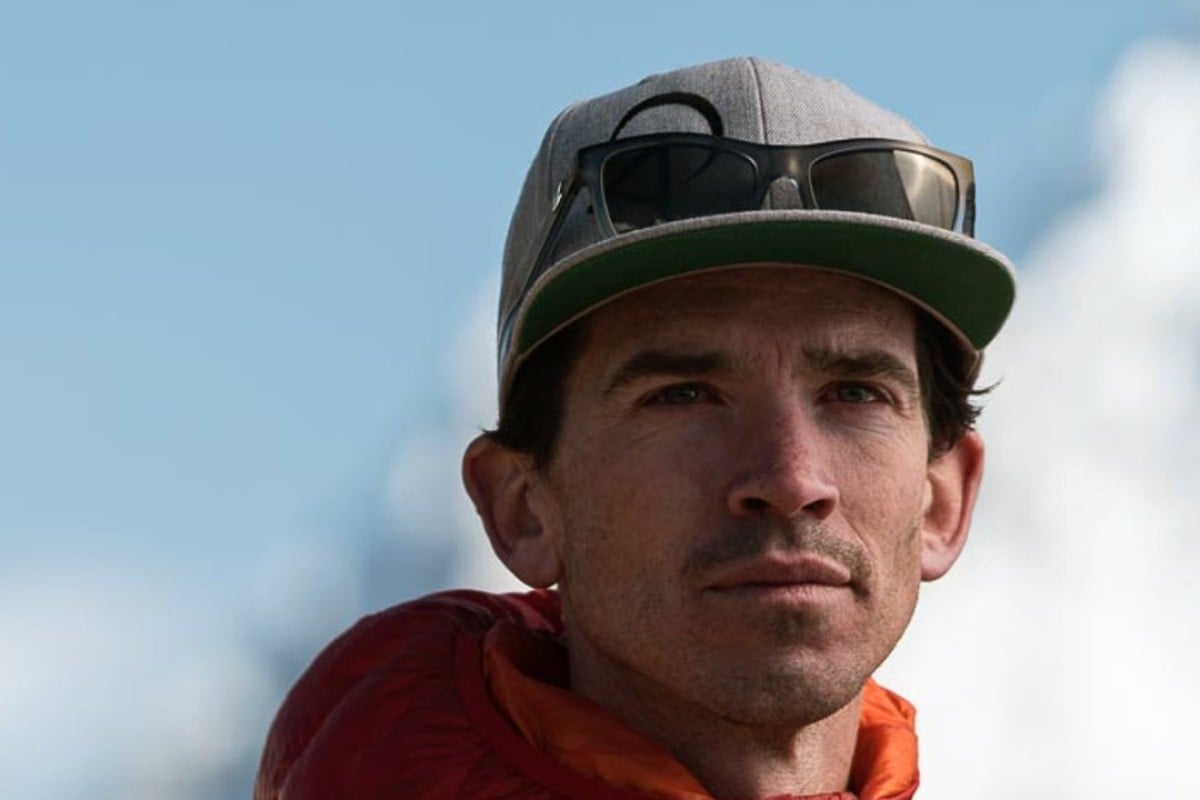
The controversial new climbing rules from Nepal continue to be a source of much debate amongst mountaineers. As you'll recall, the Council of Ministers there closed out 2017 by adopting a series of new regulations that banned solo expeditions, blind climbers, double amputees, and those deemed "medically unfit" from Everest. This has of course been met with much criticism within the mountaineering community, as the rules do very little to make anyone safer and seem to have been conceived arbitrarily. Now, a well known Everest guide has weight in on the topic, and he has quite a bit to say to the Nepali government.
Adrian Ballinger, owner of Alpenglow Expeditions climbed Everest without oxygen this past spring and has summited that mountain a total of six times. In other words, he knows a thing or two about climbing in the Himalaya. In an interview that was posted to the Internet yesterday, Ballinger offers his thoughts on this current dust-up, basically saying that he expects the rules to not be enforced. He also chastises Nepali officials for creating what he calls a "Wild West" environment on the South Side of the mountain.
For years Ballinger guided clients from the Nepali side of Everest, but three years ago he made the jump to the North Side in Tibet instead. He says that he was tired of the knee-jerk reaction by the government in Nepal to trends on the world's highest peak. If an accident occurred that claimed several lives, they made wild proclamations about how they were going to make the mountain safer. If an extremely old or young climber was on Everest, they'd blow hot air about creating age limits. But while those kinds of regulations aren't necessarily bad, the problem is that they are almost never enforced.
In the article above, Adrian is quoted as saying, “So far, Nepal hasn’t had a single government official above base camp, so no rules they impose are followed.” That's a far cry from the Chinese side of Everest where the government installs the camps all the way up to C2 and fixes the ropes to the summit as well. On the South Side, that work is done by a collaboration of commercial climbing teams instead.
Ballinger goes on to offer his thoughts on what should be done to make climbing Everest safer, including imposing some standards in terms of training and experience, as well as protecting guides and Sherpas more fully. He also says that solo climbers should be allowed provided they aren't putting anyone else's life in danger. He goes on to point out that in the early 2000's there were only about a dozen companies operating on the mountain, now that number has climbed to more than 50.
It's an interesting look at what is happening in Nepal from a guy who knows the area well. Read the entire article here.
Adrian Ballinger, owner of Alpenglow Expeditions climbed Everest without oxygen this past spring and has summited that mountain a total of six times. In other words, he knows a thing or two about climbing in the Himalaya. In an interview that was posted to the Internet yesterday, Ballinger offers his thoughts on this current dust-up, basically saying that he expects the rules to not be enforced. He also chastises Nepali officials for creating what he calls a "Wild West" environment on the South Side of the mountain.
For years Ballinger guided clients from the Nepali side of Everest, but three years ago he made the jump to the North Side in Tibet instead. He says that he was tired of the knee-jerk reaction by the government in Nepal to trends on the world's highest peak. If an accident occurred that claimed several lives, they made wild proclamations about how they were going to make the mountain safer. If an extremely old or young climber was on Everest, they'd blow hot air about creating age limits. But while those kinds of regulations aren't necessarily bad, the problem is that they are almost never enforced.
In the article above, Adrian is quoted as saying, “So far, Nepal hasn’t had a single government official above base camp, so no rules they impose are followed.” That's a far cry from the Chinese side of Everest where the government installs the camps all the way up to C2 and fixes the ropes to the summit as well. On the South Side, that work is done by a collaboration of commercial climbing teams instead.
Ballinger goes on to offer his thoughts on what should be done to make climbing Everest safer, including imposing some standards in terms of training and experience, as well as protecting guides and Sherpas more fully. He also says that solo climbers should be allowed provided they aren't putting anyone else's life in danger. He goes on to point out that in the early 2000's there were only about a dozen companies operating on the mountain, now that number has climbed to more than 50.
It's an interesting look at what is happening in Nepal from a guy who knows the area well. Read the entire article here.
Blind Climber Banned From Everest Weighs in On New Regulations
A lot has been made of the new regulations put in place by the Nepali government for climbers heading to Mt. Everest. As you may recall, last month the Council of Ministers there voted to ban solo climbs, double amputees, and blind mountaineers from the mountain. But one climber impacted by the new regulations isn't giving up on his dream to climb Everest a second time, even though he now banned from making such an attempt from Nepal.
Australian climber Andy Holzer, who became just the second blind person to summit Everest last year, has weighed in on the new regulations and isn't very happy about them. He is quick to point out that statistically speaking, few disabled climbers have died on Everest and that these rules are being put in place to address a problem that doesn't exist. He also feels, as many of us do, that some of the new policies are about money. Holzer says that solo climbers were likely banned for instance because they don't put much cash into Nepal's coffers, climbing independently and without support. The new rules also require all climbers on the South Side to have a guide with them at all times, which would employ more locals while bringing larger crowds to Everest too.
While Holzer made his climb in 2017 from the North Side of the mountain in Tibet, he still holds a permit to climb from the South Side that is good through 2019. He had hoped to return to the Himalaya and make an ascent from the Nepal side of Everest as well. Now, that looks like it could be out of the question, although he believes that the North Side will remain open to such possibilities, sending more climbers that direction.
The Aussie mountaineer, who has reached the top of all of the 7 Summits, initially attempted Everest back in 2014. That season was cut short after a serac collapsed above Base Camp, claiming the lives of 16 porters. Later, Nepal announced that they would honor the permits for an additional 5 years, allowing Holzer to return if he wanted to give it another go. Instead, he chose to travel to the North Side for his climb last year. In the interview he says that feels the Chinese side of the mountain is a more challenging climb, but doesn't have the dangers that come with the Khumbu Icefall, which is why he went there.
Andy hasn't ruled out the possibility of returning next year to climb from the South Side however, and says that he has contacted his agency in Kathmandu to find out if his permit is still valid. Whether or not Nepali officials will still allow him to climb remains to be seen.
Australian climber Andy Holzer, who became just the second blind person to summit Everest last year, has weighed in on the new regulations and isn't very happy about them. He is quick to point out that statistically speaking, few disabled climbers have died on Everest and that these rules are being put in place to address a problem that doesn't exist. He also feels, as many of us do, that some of the new policies are about money. Holzer says that solo climbers were likely banned for instance because they don't put much cash into Nepal's coffers, climbing independently and without support. The new rules also require all climbers on the South Side to have a guide with them at all times, which would employ more locals while bringing larger crowds to Everest too.
While Holzer made his climb in 2017 from the North Side of the mountain in Tibet, he still holds a permit to climb from the South Side that is good through 2019. He had hoped to return to the Himalaya and make an ascent from the Nepal side of Everest as well. Now, that looks like it could be out of the question, although he believes that the North Side will remain open to such possibilities, sending more climbers that direction.
The Aussie mountaineer, who has reached the top of all of the 7 Summits, initially attempted Everest back in 2014. That season was cut short after a serac collapsed above Base Camp, claiming the lives of 16 porters. Later, Nepal announced that they would honor the permits for an additional 5 years, allowing Holzer to return if he wanted to give it another go. Instead, he chose to travel to the North Side for his climb last year. In the interview he says that feels the Chinese side of the mountain is a more challenging climb, but doesn't have the dangers that come with the Khumbu Icefall, which is why he went there.
Andy hasn't ruled out the possibility of returning next year to climb from the South Side however, and says that he has contacted his agency in Kathmandu to find out if his permit is still valid. Whether or not Nepali officials will still allow him to climb remains to be seen.
A Look Ahead to Everest 2018
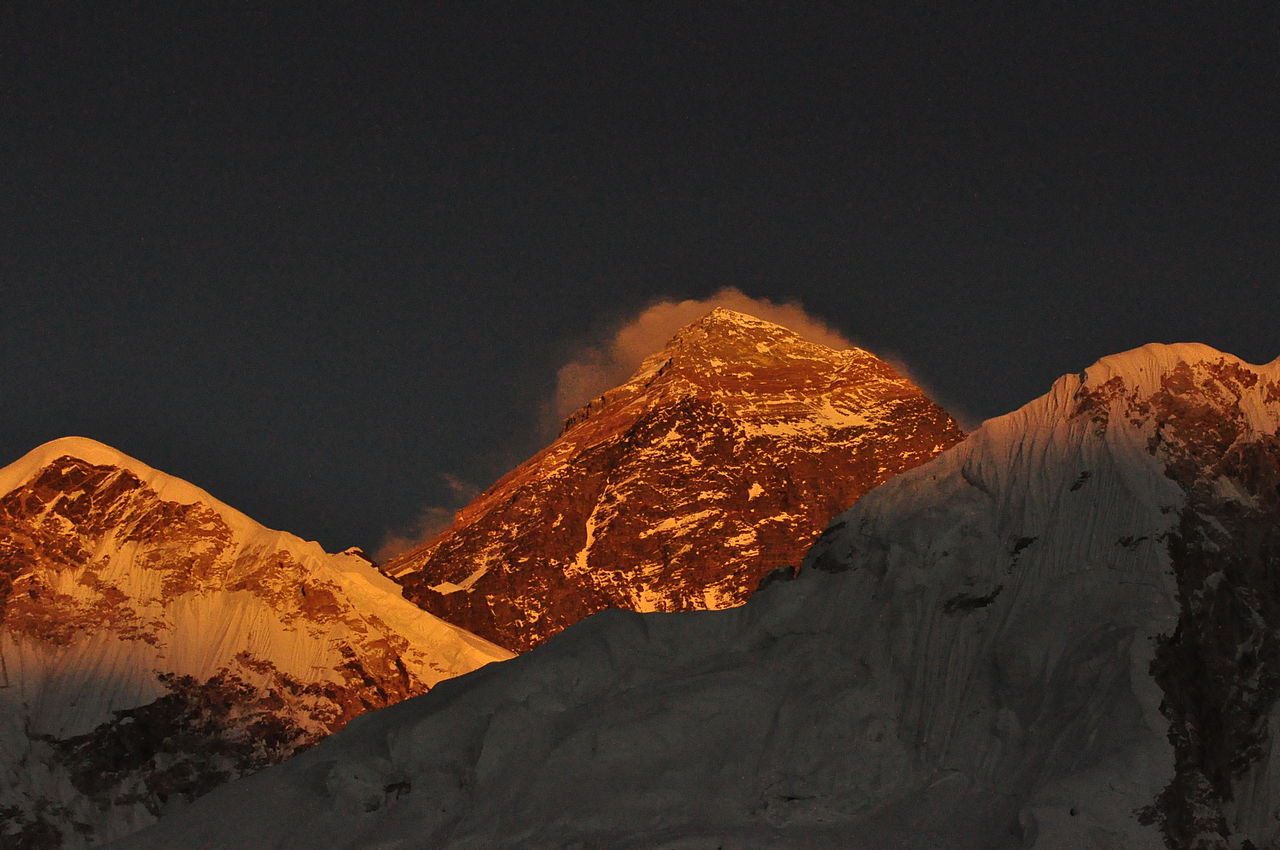
We're just a little over a week into the New Year, and the spring climbing season on Everest is still several months off, but already there are interesting things to talk about regarding when it comes to discussing the tallest mountain on the planet. With the Nepali government putting new rules into place, more and more budget climbing companies joining the fray, and an increasing demand to climb the mountain from places like China and India, Everest has once again become a wild, controversial place. Recently, our friend Alan Arnette posted two interesting articles regarding the upcoming season, and both offer some very interesting insights.
The most recent of those stories is an interview with Phil Crampton of the Altitude Junkies. Last year, the AJ team elected not to go to Everest due to the shifting politics and logistical challenges of operating on that mountain. Instead, they looked for new challenges on Makalu. But this year, Phil and company are returning to the Big Hill, although in a major shift they'll jump to the North Side in Tibet instead.
In his interview with Alan, Crampton talks about the decision to go to the Chinese side of the mountain, how he perceives things are changing on Everest, and his thoughts on the increasing number of climbers on the mountain – particularly on the South Side. He also shares his thoughts on the fast climbs that use high altitude tents to prepare for the expedition ahead of time, why he believes the North Side is harder, and much, much more. It is definitely an interesting interview for those who follow the Everest scene closely.
The other recent article from Alan regarding Everest was published just after Christmas and is his annual look at the various routes used to climb the mountain. As usual, Arnette offers excellent insights into the challenges of each of the various climbing routes that are used by climbers, with the South Col and North Col routes being the two most popular. The comprehensive look at the two sides of the mountain also includes a rundown of the famous landmarks found along the way – such as the Balcony and the Hillary Step on the South Side. He even takes a look at which route is the most dangerous, how much an expedition costs, and a wide variety of other topics.
Having climbed from both sides of the mountain, Alan knows the challenges very well. He also follows the expedition season extremely closely each year, making his sight an invaluable resource for those of us who cover the unfolding drama that ultimately ensues in the lead up to the summit push. I expect we'll get the same reliable and insightful coverage again this year when things start to get rolling in April.
The most recent of those stories is an interview with Phil Crampton of the Altitude Junkies. Last year, the AJ team elected not to go to Everest due to the shifting politics and logistical challenges of operating on that mountain. Instead, they looked for new challenges on Makalu. But this year, Phil and company are returning to the Big Hill, although in a major shift they'll jump to the North Side in Tibet instead.
In his interview with Alan, Crampton talks about the decision to go to the Chinese side of the mountain, how he perceives things are changing on Everest, and his thoughts on the increasing number of climbers on the mountain – particularly on the South Side. He also shares his thoughts on the fast climbs that use high altitude tents to prepare for the expedition ahead of time, why he believes the North Side is harder, and much, much more. It is definitely an interesting interview for those who follow the Everest scene closely.
The other recent article from Alan regarding Everest was published just after Christmas and is his annual look at the various routes used to climb the mountain. As usual, Arnette offers excellent insights into the challenges of each of the various climbing routes that are used by climbers, with the South Col and North Col routes being the two most popular. The comprehensive look at the two sides of the mountain also includes a rundown of the famous landmarks found along the way – such as the Balcony and the Hillary Step on the South Side. He even takes a look at which route is the most dangerous, how much an expedition costs, and a wide variety of other topics.
Having climbed from both sides of the mountain, Alan knows the challenges very well. He also follows the expedition season extremely closely each year, making his sight an invaluable resource for those of us who cover the unfolding drama that ultimately ensues in the lead up to the summit push. I expect we'll get the same reliable and insightful coverage again this year when things start to get rolling in April.
The New York Times Looks at What it Takes to Climb Everest
It isn't often that mountaineering and adventure sports get coverage from the mainstream media, let alone the "paper of record." But a few days back The New York Times posted an interesting article sharing details on just what it takes to climb Mt. Everest.
The article is written for someone who doesn't necessarily know a lot about mountaineering in general, or Everest specifically. It answers basic questions like how tall is the mountain and how do you even get there? It tackles tougher issues such as how many people die on the mountain each year and how many summit too. It also talks about the costs involved, explains who the Sherpas are, and delves into the challenges of making the climb too.
I appreciate that the Times actually published a story about Everest that doesn't revolve entirely around the death of a climber. That is a step in the right direction. But, the story still focuses heavily on that aspect of climbing the world's tallest peak, dedicating quite a bit of attention to how many bodies are on the mountain, how people die, and the primary dangers that they face. The story even describes the effects of high altitude on the human body, leaning a bit towards the sensationalistic.
As I've said on this blog many times before, the mainstream media seems to get a lot of attention out of playing up any tragedy that occurs on Everest and stressing how dangerous the mountain is. But, as we know, the death-to-summit ratio on the mountain is incredibly low compared to some of the other 8000-meter peaks, making it safer than most think. Last year, six people died while 648 reached the summit. That is somewhere in the neighborhood of a 1.5% death rate, which by climbing standards isn't especially high. All death's on Everest are tragic, but it isn't the killer mountain that the media would like us to believe. Heaven forbid they should ever hear about K2 or Annapurna.
Anyway, I'll get off my soapbox now and say that overall, the article is an interesting and fairly informative one for anyone who has a passing interest in mountaineering in the Himalaya. Hopefully, this will spur some of them to dig a little deeper.
The article is written for someone who doesn't necessarily know a lot about mountaineering in general, or Everest specifically. It answers basic questions like how tall is the mountain and how do you even get there? It tackles tougher issues such as how many people die on the mountain each year and how many summit too. It also talks about the costs involved, explains who the Sherpas are, and delves into the challenges of making the climb too.
I appreciate that the Times actually published a story about Everest that doesn't revolve entirely around the death of a climber. That is a step in the right direction. But, the story still focuses heavily on that aspect of climbing the world's tallest peak, dedicating quite a bit of attention to how many bodies are on the mountain, how people die, and the primary dangers that they face. The story even describes the effects of high altitude on the human body, leaning a bit towards the sensationalistic.
As I've said on this blog many times before, the mainstream media seems to get a lot of attention out of playing up any tragedy that occurs on Everest and stressing how dangerous the mountain is. But, as we know, the death-to-summit ratio on the mountain is incredibly low compared to some of the other 8000-meter peaks, making it safer than most think. Last year, six people died while 648 reached the summit. That is somewhere in the neighborhood of a 1.5% death rate, which by climbing standards isn't especially high. All death's on Everest are tragic, but it isn't the killer mountain that the media would like us to believe. Heaven forbid they should ever hear about K2 or Annapurna.
Anyway, I'll get off my soapbox now and say that overall, the article is an interesting and fairly informative one for anyone who has a passing interest in mountaineering in the Himalaya. Hopefully, this will spur some of them to dig a little deeper.
This Holiday Gift Could Change Someone's Life Forever
For the past several weeks I've been sharing all kinds of different holiday gift guides, with suggestions on what to buy your favorite outdoor adventurer. Obviously, those kinds of stories do quite well during the holiday season, as we're all scrambling around looking for ideas on what to give the people we love. Now, with just a week to go until Christmas, I'd like to suggest one other idea for the season of giving. This is a gift that could easily change someone's life in important and dramatic ways.
It is no secret that one of my favorite philanthropic and humanitarian organizations is the Himalayan Stove Project. In fact, I first wrote about the HSP way back in January of 2012, and since then I have posted regular updates on its progress. For those who don't know, the Himalayan Stove Project is dedicated to improving the health and environment of people living in the Himalaya by replacing their old, inefficient, and dangerous stoves with new, modern, and clean cook stoves that use less fuel and give up far less pollutants. These stoves are built by a Colorado-based company called Envirofit, and are an affordable option for replacing the open fire pits and primitive stoves that are common throughout Nepal and Tibet.
To date, the HSP has given out thousands of these stoves, impacting the lives of more than 40,000 people. But of course, there is still plenty of work to be done. Through the holidays, the organization is running a a gift giving campaign, in which supporters can buy Envirofit stoves in the name of others. A single stove costs $150, which includes shipping to Kathmandu and installation in a family home in the Himalaya. All the stoves bought under the gift giving program also include an e-card to the person you're buying it for, sharing details about this special gift and how it is changing lives.
If you're struggling to think of a truly memorable and life-altering gift this holiday season, consider making a donation to the Himalayan Stove Project or buying one (or more!) of the stoves outright. You can bet that your contribution will have a big impact on the lives of those who get the new stove, while providing a bit of extra karma for you in a time when we can all use a little more of that.
Find out more at HimalayanStoveProject.org.
It is no secret that one of my favorite philanthropic and humanitarian organizations is the Himalayan Stove Project. In fact, I first wrote about the HSP way back in January of 2012, and since then I have posted regular updates on its progress. For those who don't know, the Himalayan Stove Project is dedicated to improving the health and environment of people living in the Himalaya by replacing their old, inefficient, and dangerous stoves with new, modern, and clean cook stoves that use less fuel and give up far less pollutants. These stoves are built by a Colorado-based company called Envirofit, and are an affordable option for replacing the open fire pits and primitive stoves that are common throughout Nepal and Tibet.
To date, the HSP has given out thousands of these stoves, impacting the lives of more than 40,000 people. But of course, there is still plenty of work to be done. Through the holidays, the organization is running a a gift giving campaign, in which supporters can buy Envirofit stoves in the name of others. A single stove costs $150, which includes shipping to Kathmandu and installation in a family home in the Himalaya. All the stoves bought under the gift giving program also include an e-card to the person you're buying it for, sharing details about this special gift and how it is changing lives.
If you're struggling to think of a truly memorable and life-altering gift this holiday season, consider making a donation to the Himalayan Stove Project or buying one (or more!) of the stoves outright. You can bet that your contribution will have a big impact on the lives of those who get the new stove, while providing a bit of extra karma for you in a time when we can all use a little more of that.
Find out more at HimalayanStoveProject.org.
Crunching the Numbers on Everest Expeditions Over the Years
Last week I posted a story about Alan Arnette's recent look at the cost of climbing Everest in 2018. This week, he's back to delve deeper into the numbers behind all of the expeditions that visit the world's highest peak, and take a peek ahead at what we can expect in the spring of 2018, when more people than ever will be heading to the Himalaya.
As you probably recall, the Himalayan Database is the main authority on who has and hasn't climbed Everest and the other big mountains in Nepal and Tibet. Recently, the database was updated to include all the summits from 2017 and was released online for free. Over the past couple of weeks, Alan has been pouring over the numbers to search for any interesting tidbits of information, with some fascinating things being revealed.
According to the database, 4833 people have summited Everest a grand total of 8306 times to date. Most of those (5280) came from the Nepali side, with an additionally 3026 reaching the summit on the North Side in Tibet. 2017 was a highly successful year on the Big Hill, with 648 total summits. Thats the second most in a season ever, behind only 2013 which saw 658 summits. The success rate this year was 61%, meaning that 6 out of 10 people who made it to Base Camp actually reached the top. The break down was 446 from the south and 202 from the north, with 11 people summiting without the use of supplemental oxygen.
Sadly, six people are confirmed to have died, five on the Nepali side and one in Tibet. That brings the total number of deaths on Everest to 288 total. Of those, 181 occurred on the South Side, with 107 coming from the North. But the news is encouraging as the death rate for both sides of Everest is declining. It also stands at 1.27% from the South Side and 1.15% from the North, which are actually incredibly small numbers compared to other big peaks like Kangchenjunga, Annapurna, and K2.
There is lots of other interesting trends and statistics to look at as well, and Alan does a good job of coming through them. For instance, he's found that the number of climbers heading to Tibet to take on Everest is on the upswing, while in Nepal it has actually declined slightly. The number of climbers attempting the mountain without bottled oxygen is also on the upswing, and they are also more successful in those pursuits. There has also been a dramatic uptick in the number of Sherpa summits over the past 15 years as well, with more local Nepali guides climbing the mountain.
Other interesting facts gleaned from the article is that the Himalayan Database recognized just 1 true solo ascent (presumably by Reinhold Messner), 34 traverses of the mountain, 22 descents by ski or snowboard, and another 13 by paraglider. There are also 20 20 disputed ascents (the database says they didn't make it, the climbers say they did!) and 14 "unrecognized ascents," although I'm not sure exactly what falls into that category.
To read Alan's full analysis of these numbers and get further insights, click here.
As you probably recall, the Himalayan Database is the main authority on who has and hasn't climbed Everest and the other big mountains in Nepal and Tibet. Recently, the database was updated to include all the summits from 2017 and was released online for free. Over the past couple of weeks, Alan has been pouring over the numbers to search for any interesting tidbits of information, with some fascinating things being revealed.
According to the database, 4833 people have summited Everest a grand total of 8306 times to date. Most of those (5280) came from the Nepali side, with an additionally 3026 reaching the summit on the North Side in Tibet. 2017 was a highly successful year on the Big Hill, with 648 total summits. Thats the second most in a season ever, behind only 2013 which saw 658 summits. The success rate this year was 61%, meaning that 6 out of 10 people who made it to Base Camp actually reached the top. The break down was 446 from the south and 202 from the north, with 11 people summiting without the use of supplemental oxygen.
Sadly, six people are confirmed to have died, five on the Nepali side and one in Tibet. That brings the total number of deaths on Everest to 288 total. Of those, 181 occurred on the South Side, with 107 coming from the North. But the news is encouraging as the death rate for both sides of Everest is declining. It also stands at 1.27% from the South Side and 1.15% from the North, which are actually incredibly small numbers compared to other big peaks like Kangchenjunga, Annapurna, and K2.
There is lots of other interesting trends and statistics to look at as well, and Alan does a good job of coming through them. For instance, he's found that the number of climbers heading to Tibet to take on Everest is on the upswing, while in Nepal it has actually declined slightly. The number of climbers attempting the mountain without bottled oxygen is also on the upswing, and they are also more successful in those pursuits. There has also been a dramatic uptick in the number of Sherpa summits over the past 15 years as well, with more local Nepali guides climbing the mountain.
Other interesting facts gleaned from the article is that the Himalayan Database recognized just 1 true solo ascent (presumably by Reinhold Messner), 34 traverses of the mountain, 22 descents by ski or snowboard, and another 13 by paraglider. There are also 20 20 disputed ascents (the database says they didn't make it, the climbers say they did!) and 14 "unrecognized ascents," although I'm not sure exactly what falls into that category.
To read Alan's full analysis of these numbers and get further insights, click here.
How Much Will it Cost to Climb Everest in 2018?
Alan Arnette has compiled his annual examination of the costs of climbing Everest and as usual the post is filled with lots of interesting information. If you're thinking of joining an expedition to the highest mountain on the planet sometime in the near future, you'll definitely want to give this article a look. For those going in 2018, here's what you can expect to pay.
So how much will it cost next year? Alan says it will be a minimum of $30,000, with most climbers paying somewhere in the neighborhood of about $45,000. That's an increase over 2017, with prices climbing both on the lower end of the spectrum and the premium high-end as well.
In 2018, the price range for an Everest climb starts at $28,000 and goes up to as much as $85,000. You can have a completely custom climb for $115,000 as well, although few take that option. At the bottom end, if you want to mostly go it alone, with some support, you can get away with spending as little as $20,000, although as Alan points out, this is for the extreme risk takers only.
In recent years we've seen a rise in the number of low-cost expedition options on Everest, which is what is fueling the larger numbers of climbers on the mountain as more alpinists from India and China rush to make the climb. Even though more of these inexpensive options exist, prices have continued to climb. Alan says that over the past five years companies have increased their prices by 6% on the Nepal side of the mountain and 12% on the Tibetan side.
The article also breaks down where the costs go, with estimated prices for travel, permits and insurance, gear, logistical costs, and more. This gives anyone who is planning an Everest expedition a chance to see exactly where there money is going and how much they should expect to budget in any given category. For instance, Alan says that you can plan on spending a minimum of $800 per person for food alone and supplemental oxygen – used by 97% of climbers – is $550 a bottle. You'll also need things like a down suit, high-altitude boots, sleeping bags, packs, and a lot more.
The last bit of information in the article that is probably of interest is a break down of what all the major companies charge for an Everest expedition. That chart is in alphabetical order and offers prices for climbing on the North and South Sides of the mountain. If a company operates on the South Side in Nepal, they may also offer different rates for climbing with a Sherpa guide versus a Western guide as well. Allan also offers insights into each company's results and success level from 2017 too.
As I've said already, this is a fantastic resource for anyone who is thinking of climbing Everest in the near future. It is both an eye-opening and realistic look at the increasing costs of a Himalayan expedition in general. Most mountains are cheaper to climb than the Big Hill of course, but they can often be in the same price range.
Check out the full story here.
So how much will it cost next year? Alan says it will be a minimum of $30,000, with most climbers paying somewhere in the neighborhood of about $45,000. That's an increase over 2017, with prices climbing both on the lower end of the spectrum and the premium high-end as well.
In 2018, the price range for an Everest climb starts at $28,000 and goes up to as much as $85,000. You can have a completely custom climb for $115,000 as well, although few take that option. At the bottom end, if you want to mostly go it alone, with some support, you can get away with spending as little as $20,000, although as Alan points out, this is for the extreme risk takers only.
In recent years we've seen a rise in the number of low-cost expedition options on Everest, which is what is fueling the larger numbers of climbers on the mountain as more alpinists from India and China rush to make the climb. Even though more of these inexpensive options exist, prices have continued to climb. Alan says that over the past five years companies have increased their prices by 6% on the Nepal side of the mountain and 12% on the Tibetan side.
The article also breaks down where the costs go, with estimated prices for travel, permits and insurance, gear, logistical costs, and more. This gives anyone who is planning an Everest expedition a chance to see exactly where there money is going and how much they should expect to budget in any given category. For instance, Alan says that you can plan on spending a minimum of $800 per person for food alone and supplemental oxygen – used by 97% of climbers – is $550 a bottle. You'll also need things like a down suit, high-altitude boots, sleeping bags, packs, and a lot more.
The last bit of information in the article that is probably of interest is a break down of what all the major companies charge for an Everest expedition. That chart is in alphabetical order and offers prices for climbing on the North and South Sides of the mountain. If a company operates on the South Side in Nepal, they may also offer different rates for climbing with a Sherpa guide versus a Western guide as well. Allan also offers insights into each company's results and success level from 2017 too.
As I've said already, this is a fantastic resource for anyone who is thinking of climbing Everest in the near future. It is both an eye-opening and realistic look at the increasing costs of a Himalayan expedition in general. Most mountains are cheaper to climb than the Big Hill of course, but they can often be in the same price range.
Check out the full story here.
Himalayan Database Now Available for Free
The “Bible of Expedition Mountaineering in Nepal," aka The Himalayan Database is now available for anyone to download. Previously, the information contained in the database was only available via a CD-ROM, but the record keepers behind this extensive resource have released the data online at himalayandatabase.com where it is a free download.
Way back in October we shared the news that the database would be released to the general public for free. At that time, it was expected to become available in early November, but when that month came and went without an update, it seemed that the project may have hit a snag in its efforts to get the information into the hands of those who wanted to sift through its data. Now, just a few days into December, version 2 of the database is available to all.
According to the Himalayan Database website, the information includes records on more than 450 different peaks, over 9600 expeditions, and 70,000 individual climbers. It covers all expeditions from 1905 through 2017 on all significant Nepalese peaks, as well as data on the mountains that border Tibet, including Everest, Cho Oyu, Makalu, and Kangchenjunga.
Each expedition record contains biographical information for all members listed on the permit as well as for hired members (e.g., Sherpas) for which there are significant events such as a summit success, deaths, accidents, or rescue. The database also lists more than 10,000 references in media and literature to major climbs as well.
The Himalayan Database has been the labor of love for Miss Elizabeth Hawley, and American journalist who came to Nepal back in 1960 never left. Over the years, she compiled information on all of the significant climbs in the Himalaya, first by hand, and later using computers. That information grew into The Himalayan Database, and she became the foremost authority on climbing in Nepal. Now, at the age of 94, she has ceded the work over to others, but still plays a vital role in the project.
You can learn more about The Himalayan Database, and download it yourself, here.
Way back in October we shared the news that the database would be released to the general public for free. At that time, it was expected to become available in early November, but when that month came and went without an update, it seemed that the project may have hit a snag in its efforts to get the information into the hands of those who wanted to sift through its data. Now, just a few days into December, version 2 of the database is available to all.
According to the Himalayan Database website, the information includes records on more than 450 different peaks, over 9600 expeditions, and 70,000 individual climbers. It covers all expeditions from 1905 through 2017 on all significant Nepalese peaks, as well as data on the mountains that border Tibet, including Everest, Cho Oyu, Makalu, and Kangchenjunga.
Each expedition record contains biographical information for all members listed on the permit as well as for hired members (e.g., Sherpas) for which there are significant events such as a summit success, deaths, accidents, or rescue. The database also lists more than 10,000 references in media and literature to major climbs as well.
The Himalayan Database has been the labor of love for Miss Elizabeth Hawley, and American journalist who came to Nepal back in 1960 never left. Over the years, she compiled information on all of the significant climbs in the Himalaya, first by hand, and later using computers. That information grew into The Himalayan Database, and she became the foremost authority on climbing in Nepal. Now, at the age of 94, she has ceded the work over to others, but still plays a vital role in the project.
You can learn more about The Himalayan Database, and download it yourself, here.
Video: Speed Climbing Cho Oyu with Kilian Jornet and Emelie Forsberg
This past spring, mountain runners Kilian Jornet and Emelie Forsberg set out to climb an 8000-meter peak as quickly as possible. With their busy schedules, neither of them had the time to spend two months climbing in the Himalaya, so they elected to try a radical new method of acclimatization and preparation that would ultimately cut down the time needed to summit Cho Oyu to less than two weeks. In this video, we find out how they did it and see these two top athletes in their element in the mountains.
Would You Pay $95,000 to Climb Everest in Just 4 Weeks?
Over the past few years, Adrian Ballinger's Alpenglow team has set down the ground work for what has become known as "flash" expeditions to Everest and other big peaks. These climbs take a fraction of the time that more traditional expeditions require, but cost considerably more as a result. Now, another outfitter is getting into the fast-climb game, and they've set an unprecedented price level too.
Alan Arnette has all the details on the new Furtenbach Adventures Everest Expedition, which promises to get climbers to the summit in just four weeks time, and offer them unlimited oxygen along the way, all for the low, low price of just $95,000. Yep, you read that right. In an era where more Nepali companies are leading teams to the mountain at a discounted price, this new experience from Furtenbach will set you back nearly $100k.
So how do they do it? Both Alpenglow and Furtenbach get their clients set up with a proper fitness program to prepare for the climbs, but more importantly they use oxygen tents prior to departing for the Himalaya to start the acclimatization process long before the mountaineers step foot on Everest. As a result, they arrive in Nepal and Tibet much better prepared for the altitude, cutting down on the number of trips up and down the mountain and even the trek to Base Camp.
Alpenglow has had good success with this strategy in recent years, so it only seems natural that someone else would emulate it. In contrast to the 4 week climb offered by Ballinger, now Furtenbach Adventures, most people looking to summit Everest spend about two months in the Himalaya. The pitch here is that time is money, and that these expeditions save their clients as much as four weeks away from home. They also pitch these trips as being safer, since they don't spend nearly as much time climbing to high camps to acclimatize.
Alan goes into more detail on these types of expeditions, sharing his thoughts throughout the article. He also interviews Lukas Furtenbach about this new venture as well, with the German offering his thoughts on the science behind the use of oxygen tents, how it helps his clients to prepare, and much more.
Is this the future of mountaineering? Only time will tell. But, that future is starting look more fragmented with the rich client paying exorbitant fees to reach the summit, while an increasing number of climbers choose the "budget" route instead.
Alan Arnette has all the details on the new Furtenbach Adventures Everest Expedition, which promises to get climbers to the summit in just four weeks time, and offer them unlimited oxygen along the way, all for the low, low price of just $95,000. Yep, you read that right. In an era where more Nepali companies are leading teams to the mountain at a discounted price, this new experience from Furtenbach will set you back nearly $100k.
So how do they do it? Both Alpenglow and Furtenbach get their clients set up with a proper fitness program to prepare for the climbs, but more importantly they use oxygen tents prior to departing for the Himalaya to start the acclimatization process long before the mountaineers step foot on Everest. As a result, they arrive in Nepal and Tibet much better prepared for the altitude, cutting down on the number of trips up and down the mountain and even the trek to Base Camp.
Alpenglow has had good success with this strategy in recent years, so it only seems natural that someone else would emulate it. In contrast to the 4 week climb offered by Ballinger, now Furtenbach Adventures, most people looking to summit Everest spend about two months in the Himalaya. The pitch here is that time is money, and that these expeditions save their clients as much as four weeks away from home. They also pitch these trips as being safer, since they don't spend nearly as much time climbing to high camps to acclimatize.
Alan goes into more detail on these types of expeditions, sharing his thoughts throughout the article. He also interviews Lukas Furtenbach about this new venture as well, with the German offering his thoughts on the science behind the use of oxygen tents, how it helps his clients to prepare, and much more.
Is this the future of mountaineering? Only time will tell. But, that future is starting look more fragmented with the rich client paying exorbitant fees to reach the summit, while an increasing number of climbers choose the "budget" route instead.
Are You Ready to Climb Everest?
By virtue of being the highest mountain on the planet, Everest has always been viewed by many climbers as the pinnacle of mountaineering. Over the past 20 years, commercialization of the mountain has made it more accessible than ever before, to the point that hundreds make the attempt each year from both the North and South. But not all of those climbers are truly prepared for what they'll face once they get to Nepal or Tibet.
So how do you know if you're ready for Everest? That's the exact question posed by an article by Bill Allen at mountaintrip.com. Mountain Trip is one of those companies that leads teams to Everest each year, and Allen has himself summited the mountain on three separate occasions. In the blog post, he not only takes a look at the requirements a perspective climber should have to take on the world's tallest peak, but blows some holes in the myths that surround such an expedition too.
In terms of experience, Allen says that they expect their clients to have climbed both Aconcagua and Denali at the bare minimum. In other words, 8000-meter experience isn't necessarily a necessity, but it is helpful. He also talks about the level of fitness requires for the climb, as well as whether or not an expedition to Everest is even right for certain individual people. As he notes, it is a long climb that lasts nearly two months. That's a long time to be away from home and not everyone adapts to that situation well.
Apparently this article is the first of several that will be written to help prepare those considering an attempt on Everest. At the end of the post Bill indicates that his next story will help climbers decide which route they should take. He'll also look at the dynamic of different sized teams, whether or not to climb with western guides or Nepali guides, and more.
You can read his current article here and we'll keep an eye out for others down the line.
So how do you know if you're ready for Everest? That's the exact question posed by an article by Bill Allen at mountaintrip.com. Mountain Trip is one of those companies that leads teams to Everest each year, and Allen has himself summited the mountain on three separate occasions. In the blog post, he not only takes a look at the requirements a perspective climber should have to take on the world's tallest peak, but blows some holes in the myths that surround such an expedition too.
In terms of experience, Allen says that they expect their clients to have climbed both Aconcagua and Denali at the bare minimum. In other words, 8000-meter experience isn't necessarily a necessity, but it is helpful. He also talks about the level of fitness requires for the climb, as well as whether or not an expedition to Everest is even right for certain individual people. As he notes, it is a long climb that lasts nearly two months. That's a long time to be away from home and not everyone adapts to that situation well.
Apparently this article is the first of several that will be written to help prepare those considering an attempt on Everest. At the end of the post Bill indicates that his next story will help climbers decide which route they should take. He'll also look at the dynamic of different sized teams, whether or not to climb with western guides or Nepali guides, and more.
You can read his current article here and we'll keep an eye out for others down the line.
The Himalayan Database Will Soon be Available for Free
When it comes to climbing the big mountains in Nepal – and lesser extent Tibet – The Himalayan Database is the definitive record for everything has been accomplished there over the past 50 years. The information contained in the database has been meticulously compiled by Ms. Elizabeth Hawley for five decades, and soon all of those records will be available to the general public online for free.
In an announcement posted to The Himalayan Database website reads as follows:
Updated data from 2004 through 2016 is available via the Himalayan Database website, with the 2017 data to be compiled and added later. The combined information from the downloadable database and the online resource, marks the most comprehensive collection of information on mountaineering expeditions ever assembled.
Over the past few years, Ms. Hawley has eased into retirement, after maintaining the database on her own for decades. Much of her work has been taken up by German climber and journalist Billi Bierling, who along with a few other dedicated people. have been collecting and compiling the data.
Now, this resource will become available to anyone who wants to access it and search its information. For those of us who do regular reporting on the Nepal and the expeditions that visit there, it is a welcome addition to help us with that coverage. But, beyond that, it should prove very interesting for anyone who follows the mountaineering scene closely.
Watch himalayandatabase.com for an update soon.
In an announcement posted to The Himalayan Database website reads as follows:
"Version 2 of the Himalayan Database will be released to the general public at no charge via download from this site in early November 2017 after the Spring 2017 update to the database is completed. Owners of the current version will need to download and upgrade to the new version in order to gain access to future updates and changes."The data covers all expeditions to the Himalaya starting in 1905 and running through 2003. It covers more than 340 different mountains across Nepal, and along the border with Tibet. According to the database website "the database is searchable by peak, climber, expedition, nationality, season, mortality rates and causes and more."
Updated data from 2004 through 2016 is available via the Himalayan Database website, with the 2017 data to be compiled and added later. The combined information from the downloadable database and the online resource, marks the most comprehensive collection of information on mountaineering expeditions ever assembled.
Over the past few years, Ms. Hawley has eased into retirement, after maintaining the database on her own for decades. Much of her work has been taken up by German climber and journalist Billi Bierling, who along with a few other dedicated people. have been collecting and compiling the data.
Now, this resource will become available to anyone who wants to access it and search its information. For those of us who do regular reporting on the Nepal and the expeditions that visit there, it is a welcome addition to help us with that coverage. But, beyond that, it should prove very interesting for anyone who follows the mountaineering scene closely.
Watch himalayandatabase.com for an update soon.
The Man Who Searched for the Yeti
National Geographic has an interesting story posted online. The article is an interview with Daniel Taylor, who recently wrote a book entitled Yeti: The Ecology of a Mystery, in which he examines the history of the famous "wild man" of the Himalaya, while the author himself goes in search of the mythical animal himself, making some surprising discoveries along the way.
In the interview, Taylor talks about how a photo of an unusual footprint found in the snow of the Himalaya by British explorer Eric Shipton back in 1951 sparked the imagination of millions across the globe. The photo purportedly shows a track that looks rather man or primate like on the Menlung Glacier. Shipton found the footprint, which was allegedly 13 inches (33 cm) in length, while trekking across the glacier in search of a new route to Everest. He photographed it, shared it with others, and the mystery of the Yeti was born.
At the time, Taylor was a young boy living in India where his parents managed a hospital. Like many others, he was captivated by the story and spent part of his life delving into the mystery that is the Yeti. Along the way, he became familiar with a remote section of Nepal called Barun, which is home to a jungle that is so thick that few people have ventured inside. The idea was that if the yeti existed, it probably was hiding inside.
Taylor never found the abominable snowman as the yeti is often called, but he did find a creature called a tree bear that made its home in the Barun region. The tracks of the bear resemble those that were found by Shipton, although there are still many mysteries that surround the story, including how the footprint was found on Menlung Glacier to begin with.
The article not only takes a look at the history of the search for the yeti (both Hillary and Messner searched for the creature), but Taylor's own efforts to protect and preserve Barun, leading to the creation of the Makalu-Barun National Park. But beyond that, there are also some thoughts on the legendary creature and whether or not it has ever actually exited.
Fascinating stuff for those of us who enjoy tall tales and the mountain culture of the Himalaya. Read the entire story here.
In the interview, Taylor talks about how a photo of an unusual footprint found in the snow of the Himalaya by British explorer Eric Shipton back in 1951 sparked the imagination of millions across the globe. The photo purportedly shows a track that looks rather man or primate like on the Menlung Glacier. Shipton found the footprint, which was allegedly 13 inches (33 cm) in length, while trekking across the glacier in search of a new route to Everest. He photographed it, shared it with others, and the mystery of the Yeti was born.
At the time, Taylor was a young boy living in India where his parents managed a hospital. Like many others, he was captivated by the story and spent part of his life delving into the mystery that is the Yeti. Along the way, he became familiar with a remote section of Nepal called Barun, which is home to a jungle that is so thick that few people have ventured inside. The idea was that if the yeti existed, it probably was hiding inside.
Taylor never found the abominable snowman as the yeti is often called, but he did find a creature called a tree bear that made its home in the Barun region. The tracks of the bear resemble those that were found by Shipton, although there are still many mysteries that surround the story, including how the footprint was found on Menlung Glacier to begin with.
The article not only takes a look at the history of the search for the yeti (both Hillary and Messner searched for the creature), but Taylor's own efforts to protect and preserve Barun, leading to the creation of the Makalu-Barun National Park. But beyond that, there are also some thoughts on the legendary creature and whether or not it has ever actually exited.
Fascinating stuff for those of us who enjoy tall tales and the mountain culture of the Himalaya. Read the entire story here.
Outside Tells Us What it Takes to Climb Everest without Oxygen
This year, more than ever, it seems that we heard a lot about climbers attempting Everest without the use of supplemental oxygen. Some were successful, others were not, but climbing the world's highest mountain without bottled O's has become the new high-water mark for experienced mountaineers. But just how difficult is it to ascend to such heights in such thin air? What do alpinists have to do to prepare for the attempt? Outside magazine has taken an in-depth look at what it takes to climb Everest in this fashion.
For this story Outside examines the #EverestNoFilters expedition of Adrian Ballinger and Corey Richards. For the second year in a row, the two men went to the North Side of the mountain to attempt summits without bottled oxygen. Last year, Richards was successful but Ballinger had to turn back, but this year Adrian finally completed the quest.
The duo shared their expedition on a variety of social media outlets, including the Strava platform, which keeps track of a variety of data from an athlete. That data is proving instrumental in learning just how they trained and what worked and what didn't along the way. In the Outside article we learn that Ballinger focused his conditioning on running at a casual pace, covering about 6 miles (9.6 km) per day, but with a lot of vertical climbing. He averaged more than 3000 feet (914 meters) of vertical gain each day as he prepared for the climbing he would face in the Himalaya. Furthermore, he would often carry a 65 pound (29.4 kg) backpack to simulate his load on the mountain.
But, preparing for such a strenuous climb goes well beyond just physical conditioning. As we learned in an article last week, Ballinger had to change his diet significantly in order to be more efficient at higher altitudes. It also meant a shift in mindset too, with a more focused approach on the climb. For Adrian, who runs Alpenglow Expeditions, that meant taking a step back from those operations so he could dedicate more time to his preparation.
Obviously the results speak for themselves. Ballinger was able to finally nab that elusive Everest summit without bottled oxygen, and now anyone who is considering making the same attempt can learn from his experience. Needless to say, it wasn't easy but the goal was achieved.
For this story Outside examines the #EverestNoFilters expedition of Adrian Ballinger and Corey Richards. For the second year in a row, the two men went to the North Side of the mountain to attempt summits without bottled oxygen. Last year, Richards was successful but Ballinger had to turn back, but this year Adrian finally completed the quest.
The duo shared their expedition on a variety of social media outlets, including the Strava platform, which keeps track of a variety of data from an athlete. That data is proving instrumental in learning just how they trained and what worked and what didn't along the way. In the Outside article we learn that Ballinger focused his conditioning on running at a casual pace, covering about 6 miles (9.6 km) per day, but with a lot of vertical climbing. He averaged more than 3000 feet (914 meters) of vertical gain each day as he prepared for the climbing he would face in the Himalaya. Furthermore, he would often carry a 65 pound (29.4 kg) backpack to simulate his load on the mountain.
But, preparing for such a strenuous climb goes well beyond just physical conditioning. As we learned in an article last week, Ballinger had to change his diet significantly in order to be more efficient at higher altitudes. It also meant a shift in mindset too, with a more focused approach on the climb. For Adrian, who runs Alpenglow Expeditions, that meant taking a step back from those operations so he could dedicate more time to his preparation.
Obviously the results speak for themselves. Ballinger was able to finally nab that elusive Everest summit without bottled oxygen, and now anyone who is considering making the same attempt can learn from his experience. Needless to say, it wasn't easy but the goal was achieved.
China Closes Tibet to All Climbers for Fall 2017
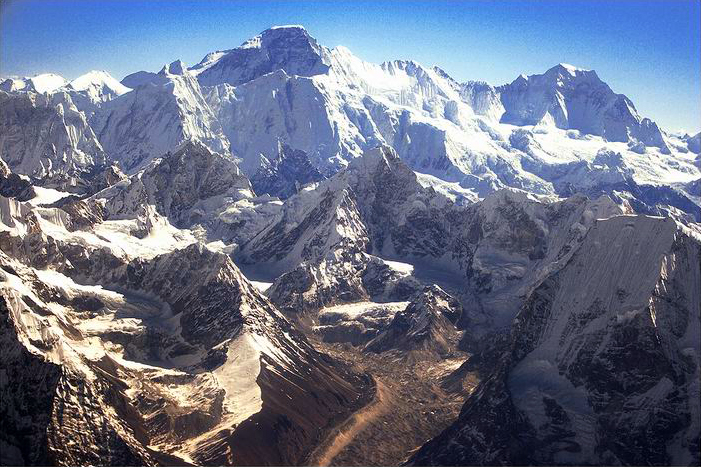
Yesterday I posted a follow-up story on Polish climber Janusz Adamski, who received a 10 year ban from climbing in Nepal after he descended the South Side of Everest without a permit following his summit from the North Side in Tibet. At the time, I said that I felt like he was getting off easy, as he didn't face any significant fines for his actions, which could have cost him up to $22,000. But, it turns out that others will now face consequences for his illegal act.
Alan Arnette is reporting that China has completely closed Tibet for the fall climbing in 2017 due to Adamski's flagrant violation of the rules. Yesterday, the China-Tibet Mountaineering Association issued a memo stating that it would no longer issue any permits for climbing during the post-monsoon season and even goes so far as to name Adamski specifically in the note. Officials in China have yet to announce any legal actions against the Polish mountaineer, but it is likely he'll face a ban from climbing in that country as well.
It had been previously known that no permits would be issued for the North Side of Everest this fall, but it was expected that as many as 50 permits would be offered for Cho Oyu. That will no longer be the case and any permits already issues will be revoked. As Alan points out, that due to the actions of one selfish climber, now many others must pay the price.
He also notes that Adamski's actions may simply be the excuse that Chinese officials needed to close down Tibet to foreigners this fall. If they suspect that there will be political unrest in the area, or an incident that might draw attention to the plight of the Tibetan people, the government there won't hesitate to close its borders. It has happened several times in the past and will likely happen again too.
Either way, it looks like climbing in Tibet is completely closed until next spring, which is sure to come as a disappointment to any teams that were planning to go there later this year.


