


https://www.researchgate.net/publication/266143420_ ;
Биокатализ переноса вещества в микрокосме ингибируется контаминантом: воздействие ПАВ на Lymnaea stagnalis // ДАН 2000. Т. 373. № 2. С.278-280. [Авторы: С.А.Oстроумов, Колесников М.П.].
http://5bio5.blogspot.com/2014/09/lymnaea-stagnalis-2000-373-2-278-280.html
This reference in English:
Doklady Akademii Nauk, Vol. 373, No. 2, 2000, pp. 278–280.
Ключевые слова: Lymnaea stagnalis, прудовик, водные моллюски, питание, пеллеты, воздействие ПАВ, экотоксикология, водная, токсикология, экология,
Полный текст английского издания этой статьи: https://www.researchgate.net/publication/12309563_ ;
Объяснение научной новизны этого цикла статей: https://www.researchgate.net/post/What_is_the_role_of_pellets_of_mollusks_in_the_geochemical_fluxes_of_chemical_elements#5427a317d3df3eab208b456c ;

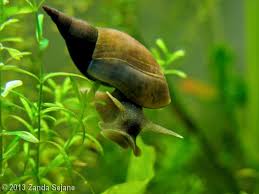
Впервые обнаружено, что при воздействии на водных моллюсков загрязняющим воду химическим веществом (экотоксикантом, контаминантом, на примере катионного ПАВ ТДТМА) происходит торможение (ингибирование) скорости питания этих моллюсков и торможение скорости выделения моллюсками пеллет (комочков непереваренной органической массы). В результате уменьшается поток оседающего на дно органического вещества пеллет, тормозится процесс вертикального переноса вещества через водную толщу модельной экосистемы. Приведены данные о скорости питания моллюсков Lymnaea stagnalis (Limnaea stagnalis) листьями кубышки желтой Nuphar lutea в микрокосмах и вертикальном переносе вещества при оседании пеллет при действии ПАВ (ТДТМА). При действии ПАВ происходит подавление скорости питания, образования пеллет и связанного с этим переноса вещества. Обсуждаются новые аспекты потенциальной опасности загрязнения среды четвертичными соединениями аммония на уровне сублетальных концентраций. Россия, Московский гос. ун-т. Библ. 11. [Представлено академиком Г.В. Добровольским]. https://www.researchgate.net/publication/265127167_ ;
Пер. на англ. яз.:
Biocatalysis of matter transfer in a microcosm is inhibited by a contaminant: effects of a surfactant on Lymnaea stagnalis. - Doklady Biological Sciences. 2000. 373: 397-399. Bibliogr. 11 refs. [In collaboration: S.A.O., Kolesnikov M.P.] http://www.citeulike.org/user/ATP/article/9751191; PMID: 11013843 [PubMed - indexed for MEDLINE];
http://www.scribd.com/doc/49065530; www.scribd.com/doc/49069985; It is the first paper that reported two new experimental results. First, the new author’s experiments measured the biota-driven fluxes of the matter and chemical elements in a model ecosystem. Second, the authors got another innovative result: a discovery of new effects of chemical pollutants. Namely, these biota-driven flows of the chemical elements were decreased by a chemical pollutant exemplified by a synthetic surfactant. By excreting some massive amount of organic matter in the form of pellets, mollusks drive the transfer of organic matter and contribute to the biogeochemical flows of chemical elements in aquatic ecosystems. For the first time, the quantitative assessment of the biogeochemical flows was made. Also, for the first time, it was discovered that a synthetic chemical may inhibit those flows. The pellet excretion rate by the gastropod mollusks Lymnaea stagnalis feeding on the phytomass of macrophytes (such as the plants Nuphar lutea) was 4–7 mg dry weight per 1 gram wet weight of the mollusks per 72 h. The pellet sedimentation contributes to the vertical transfer of chemical elements in the ecosystem. The pellet composition depended on the species of the plants eaten by the mollusks. When the gastropods L. stagnalis feed on the plants N. lutea, the pellets contain, in addition to organic and inorganic carbon, nitrogen (N, 2.3–2.9%), phosphorus (P, 0.4–0.5%), and silicon (Si, 1.1–1.9%). The relative content of Si was 30% higher than in the food phytomass. The synthetic surfactant tetradecyltrimethylammonium bromide (TDTMA, 2 mg/L) inhibited the feeding rate of the mollusks and pellet production, their accumulation at the bottom of microcosms, and the matter transfer connected with this. The data obtained demonstrated a new aspect of the ecological hazard due to environmental pollution with synthetic surfactants (exemplified by TDTMA and other quaternary ammonium compounds) at sublethal concentrations. According to the author’s opinion, other contaminants may also suppress the pellet production, their accumulation at the bottom, and the matter transfer associated with that. http://scipeople.ru/users/2943391/; http://sites.google.com/site/2000dbs373p397biocatallstag/;
Биокатализ переноса вещества в микрокосме ингибируется контаминантом: воздействие ПАВ на Lymnaea stagnalis // ДАН 2000. Т. 373. № 2. С.278-280. [Авторы: С.А.Oстроумов, Колесников М.П.].
http://5bio5.blogspot.com/2014/09/lymnaea-stagnalis-2000-373-2-278-280.html
This reference in English:
Doklady Akademii Nauk, Vol. 373, No. 2, 2000, pp. 278–280.
Ключевые слова: Lymnaea stagnalis, прудовик, водные моллюски, питание, пеллеты, воздействие ПАВ, экотоксикология, водная, токсикология, экология,
Полный текст английского издания этой статьи: https://www.researchgate.net/publication/12309563_ ;
Объяснение научной новизны этого цикла статей: https://www.researchgate.net/post/What_is_the_role_of_pellets_of_mollusks_in_the_geochemical_fluxes_of_chemical_elements#5427a317d3df3eab208b456c ;
Впервые обнаружено, что при воздействии на водных моллюсков загрязняющим воду химическим веществом (экотоксикантом, контаминантом, на примере катионного ПАВ ТДТМА) происходит торможение (ингибирование) скорости питания этих моллюсков и торможение скорости выделения моллюсками пеллет (комочков непереваренной органической массы). В результате уменьшается поток оседающего на дно органического вещества пеллет, тормозится процесс вертикального переноса вещества через водную толщу модельной экосистемы. Приведены данные о скорости питания моллюсков Lymnaea stagnalis (Limnaea stagnalis) листьями кубышки желтой Nuphar lutea в микрокосмах и вертикальном переносе вещества при оседании пеллет при действии ПАВ (ТДТМА). При действии ПАВ происходит подавление скорости питания, образования пеллет и связанного с этим переноса вещества. Обсуждаются новые аспекты потенциальной опасности загрязнения среды четвертичными соединениями аммония на уровне сублетальных концентраций. Россия, Московский гос. ун-т. Библ. 11. [Представлено академиком Г.В. Добровольским]. https://www.researchgate.net/publication/265127167_ ;
Пер. на англ. яз.:
Biocatalysis of matter transfer in a microcosm is inhibited by a contaminant: effects of a surfactant on Lymnaea stagnalis. - Doklady Biological Sciences. 2000. 373: 397-399. Bibliogr. 11 refs. [In collaboration: S.A.O., Kolesnikov M.P.] http://www.citeulike.org/user/ATP/article/9751191; PMID: 11013843 [PubMed - indexed for MEDLINE];
http://www.scribd.com/doc/49065530; www.scribd.com/doc/49069985; It is the first paper that reported two new experimental results. First, the new author’s experiments measured the biota-driven fluxes of the matter and chemical elements in a model ecosystem. Second, the authors got another innovative result: a discovery of new effects of chemical pollutants. Namely, these biota-driven flows of the chemical elements were decreased by a chemical pollutant exemplified by a synthetic surfactant. By excreting some massive amount of organic matter in the form of pellets, mollusks drive the transfer of organic matter and contribute to the biogeochemical flows of chemical elements in aquatic ecosystems. For the first time, the quantitative assessment of the biogeochemical flows was made. Also, for the first time, it was discovered that a synthetic chemical may inhibit those flows. The pellet excretion rate by the gastropod mollusks Lymnaea stagnalis feeding on the phytomass of macrophytes (such as the plants Nuphar lutea) was 4–7 mg dry weight per 1 gram wet weight of the mollusks per 72 h. The pellet sedimentation contributes to the vertical transfer of chemical elements in the ecosystem. The pellet composition depended on the species of the plants eaten by the mollusks. When the gastropods L. stagnalis feed on the plants N. lutea, the pellets contain, in addition to organic and inorganic carbon, nitrogen (N, 2.3–2.9%), phosphorus (P, 0.4–0.5%), and silicon (Si, 1.1–1.9%). The relative content of Si was 30% higher than in the food phytomass. The synthetic surfactant tetradecyltrimethylammonium bromide (TDTMA, 2 mg/L) inhibited the feeding rate of the mollusks and pellet production, their accumulation at the bottom of microcosms, and the matter transfer connected with this. The data obtained demonstrated a new aspect of the ecological hazard due to environmental pollution with synthetic surfactants (exemplified by TDTMA and other quaternary ammonium compounds) at sublethal concentrations. According to the author’s opinion, other contaminants may also suppress the pellet production, their accumulation at the bottom, and the matter transfer associated with that. http://scipeople.ru/users/2943391/; http://sites.google.com/site/2000dbs373p397biocatallstag/;