


Population : 84 525 639 habitants (est. 2002)
Densité : 281.75 hab./km²
Superficie : 300 000 km²
Capitale : Manille
Principales villes : Quezon City, Davao, Cebu, Zamboanga, Cagayan de Oro, Bacolod, Iloilo, Angeles, General Santos, Batangas
Point culminant : Mount Apo 2 954 m.
Langue(s) parlée(s) : Cebuano, Tagalog, Ilocano, Hiliganyon, Bikol, Waray-waray
Langue(s) officielle(s) : Tagalog, Anglais
Monnaie : Peso
Fête nationale : 12 juin

Registration for the "Directory" blog, are free.
Imperative to follow our blog to validate your registration.
Thank you for your understanding
 1
1 Belle Lopez http://jobellelopez.blogspot.com/2caryl estrosas http://caryle.blogspot.com/3Money Talks http://moneytalksovercoffee.blogspot.com/4Jolly princesse http://smile4meonline2.blogspot.com/5The Statuesque Canvas http://thestatuesquecanvas.blogspot.com/6MITCHINHEELS http://mitchinheels.blogspot.com/7dred reveries http://dredreveries.blogspot.com/8i.am.haidrofilik http://haidrofilik.blogspot.com/9Living. Loving. Learning http://rosalynjoydeleon.blogspot.com/10Mineeh11 http://mineeh11.blogspot.com/11Kandis Martin http://kandismartin.blogspot.com/12towards positive http://jill-yang.blogspot.com/13It's a Girl Thing http://www.julieannlozada.com/14The Statuesque Canvas http://thestatuesquecanvas.blogspot.com/15The Story of an extraordinary girl http://krystalpearl.blogspot.com/16GeminiFacsimile http://geminifacsimile.blogspot.com/17Musings of a Wide-eyed Wondergirl http://silentstandout.blogspot.com/18PINK STUNNER'S OBSESSION http://lmlmnkn.blogspot.com/19Jump to Reality http://ghoent.blogspot.com/20STUNNING PINK'S CONFESSIONS http://stunningpink.blogspot.com/21dred reveries http://dredreveries.blogspot.com/22SHOP DRED REVERIES http://shopdredreveries.blogspot.com/23i.am.haidrofilik http://haidrofilik.blogspot.com/24Legally Pinay http://legallypinayeunice.blogspot.com/25F H W M http://ritchellebaraquio.blogspot.com/27another day to wander http://anotherdaytowander.blogspot.com/28Scarlet April http://scarlet-april.blogspot.com/29Nuts and Bolts http://debbiemariz.blogspot.com/30Eye Candy http://purplecharry.blogspot.com/31Paradiso Inferno http://fallingwithjudas.blogspot.com/32What Cheska Wore http://cheskabalingit.blogspot.com/33hopelessromantic http://euniclyquixotic.blogspot.com/34Travelogue http://cloveys-travelogue.blogspot.com/35~cloverfinds~ http://cloverfinds.blogspot.com/36fall in love with shaz http://hotieshockz.blogspot.com/37WISDOM OF A FOOL http://fernandoymas.blogspot.com/38The Art of Realizationism http://realizationism.blogspot.com/39The Armor of God http://fmymas.blogspot.com/40ARTLOVER GROUP http://artlovergroup.blogspot.com/41The Pink Lemonade Girl http://thepinklemonadegirl.blogspot.com/42The Statuesque Canvas http://thestatuesquecanvas.blogspot.com/43A Little Less Conversation http://kmmyp.blogspot.com/44Fashion without Boundaries http://majocamacho.blogspot.com/45Fashion Venom Style With Love http://xoxostrawberry.blogspot.com/46KILOMETER 1.0 - TABLE 9 http://whitedogleader.blogspot.com/47TALA http://keepitclassyandrockon.blogspot.com/48Before I turn 25 http://beforeiturn25.blogspot.com/49Beauty Chronicles of Elgee http://beautychroniclesofelgee.blogspot.com/50Askmewhats http://www.askmewhats.com/51IAMBRIGITTE http://www.iambrigitte.com/52Amaterasu Reads http://amaterasureads.blogspot.com/53-Chase Beautiful Things- http://www.lovingsunshine.com/54Beauty Rants by Thea http://beautyrantsbythea.blogspot.com/55Miss Cory Potts http://misscorypotts.blogspot.com/56* Fashiondrifter * http://fashiondrifter.blogspot.com/57Exploring Science http://exploringsciencebybiancasing.blogspot.com/58A Dreamer's Journey http://biancasing.blogspot.com/59Bloggers Closet http://shopbloggerscloset.blogspot.com/60aiecorpuz.blogsp http://aiecorpuz.blogspot.com/61All Around Chekwa http://allaroundchekwa.blogspot.com/62fashion is the sweetest form of art http://artislifesoisfashion.blogspot.com/63Living in a Dimension of Dreams http://dimensional-dreamer.blogspot.com/64rina-chan ~ One-Winged Angel ~ http://katatsubasanotenshi.blogspot.com/65pOm's Beauty and Fashion http://pom1421.blogspot.com/66An Affair With Books http://janineisreading.blogspot.com/67~ahLain* http://nialaserolf.blogspot.com/68Nin Monster in Manila http://monsterprettyinthecity.blogspot.com/69Shop Monster Pretty In The City http://shopmonsterprettyinthecity.blogspot.com/70A Beautiful Rhapsody http://morbidfrank.blogspot.com/71Flora The Most Awesome Goddess http://www.florathemostawesomegoddess.com/72iamprecious ♡ http://preciouslovestyle.blogspot.com/73STUNNING PINK'S CONFESSIONS http://stunningpink.blogspot.com/74The Kikay Connection http://kikayconnection.blogspot.com/75The Secret beauty geek http://nerdybeauty.blogspot.com/76Make way with Aykulith http://aykulith.blogspot.com/77Mish Rendon LBD & Onesies http://starmishie.blogspot.com/78Beyond My Quiet Zone http://www.beng-gee.com/79Jewel Clicks http://www.jeweldelgado.com/80Ava http://avamarcelo.blogspot.com/81Inggrid Monalita Black Diamond http://miss-monaa.blogspot.com/82Breena *wabbit-bunny* http://wabbit-bunny.blogspot.com/83Tips by Tippy http://tipsbytippy.blogspot.com/84Miss Beatrix http://missbeatrix.blogspot.com/85! **♥♣♠♦ aMz Blog ♦♠♣♥ **! http://amz88.blogspot.com/86Ju Lie Ann Dela Pena http://imtheonlyoneju-lie.blogspot.com/87Hanniel Eugenio it's lady exquisite http://itsladyexquisite.blogspot.com/88Alyssa Cabula Crackpot of Everylittlething http://crackpotofeverylittlething.blogspot.com/89Apple Dela cruz http://itsmeappledelacruz.blogspot.com/90Eleigh Llaneras http://eleighllaneras.blogspot.com/91Mish Rendon http://starmishie.blogspot.com/92Joanne Olaes http://lifeofanewbie.blogspot.com/93ayesha ♡That Over-Exposed Photos http://itsayesha.blogspot.com/94Em LoveandElegance http://loveandelegance.blogspot.com/95Its Elaine http://mainelaine.blogspot.com/96Valerie For Shoes We Fall http://forshoeswefall.blogspot.com/97thechyrelgomez http://thechyrelgomez.blogspot.com/98Rizza Lana VLM Blog http://vivalamanika.blogspot.com/99My Demeanor: A VLM Blog http://rizzalana.blogspot.com/100Roxanne Small Frequent Dressing http://smallfrequentdressing.blogspot.com/101RaeAbigael http://raellarina.blogspot.com/102Colors and Grays http://colors-and-grays.blogspot.com/103eprilis Chasing after butterflies http://thesweetestpsycho.blogspot.com/104Kayle For the love of memories ❤ http://kaylesays.blogspot.com/105Nadine Natalin * Fashiondrifter * http://fashiondrifter.blogspot.com/106ARTSY FARTSY AVA http://artsyfartsyava.blogspot.com/107kris nastassia velasco Summer Breeze http://krisnastassia.blogspot.com/108Sunny Toast http://sunnytoast.blogspot.com/109kath iam_kbc http://iam-kbc.blogspot.com/110Marja Guinoo A Dose Of Marja http://adoseofmarja.blogspot.com/111Random Writings http://pexrandomwritings.blogspot.com/112michymichymoo [i am a dekaphobic] http://www.dekaphobe.com/113Take a Deep Breath http://vannice95.blogspot.com/114Prexus Deligente Walking in Free Shoes http://walkinginfreeshoes.blogspot.com/115Shiny Bliss seventhbliss http://seventhbliss.blogspot.com/116Chyrel Gomez The Fiction I Live http://thechyrelgomez.blogspot.com/117Farjah http://piefae.blogspot.com/118How to become an Einstein http://mr837.blogspot.com/119Carmella OC-Craft http://oc-craft.blogspot.com/120A BLiSSfuLLmiNd http://orrangefish.blogspot.com/121CutestPrincess http://www.julieannlozada.com/122Sophia Sanchez CURIOUS CHUP http://curiouschup.blogspot.com/123bunso21 Space and Randomness http://niichan21.blogspot.com/124rina-chan ~ One-Winged Angel ~ http://katatsubasanotenshi.blogspot.com/125Arra Jurado My Cherry Purse http://arrajurado.blogspot.com/126Pong ThePinkPanther http://unveilingpong.blogspot.com/ 127Maikkie See The Escapist http://maikkiesee.blogspot.com/128Roch Gementiza The Cookie Mookie http://thecookiemookie.blogspot.com/129It's a Lovely Day http://misslovelytan.blogspot.com/130grizzy cruz it's my time http://grizzysweety.blogspot.com/131paintswithlight http://paintswithlight-photoportfolio.blogspot.com/132Blah Click Blah http://blahclickblah.blogspot.com/133Glaiza A ★ http://wherenightmaresoffashionstarts.blogspot.com/134MACY ANYWHERE IS PARADISE http://maccyy.blogspot.com/135Kath Dear Kitty Kittie Kath http://kittykittiekath.blogspot.com/136Bella's Fancy World http://bellaechano.blogspot.com/137mitchiekyuti http://mitchiekyuti.blogspot.com/138Judy Ann Chio Asianvogue http://hellokittylover14.blogspot.com/139CyanQueen http://cyanqueen.blogspot.com/140Life of a Newbie http://lifeofanewbie.blogspot.com/141The Last Unicorn http://dancewithgelz.blogspot.com/142karenjardeleza http://www.karenjardeleza.com/143planetofclai http://planetofclai.blogspot.com/144The Sweet Circle http://thesweetcircle.blogspot.com/145CiarraIsabellaLiguid http://ciarraisabella.blogspot.com/146I am nturordinarygirl http://nturordinarygirl.blogspot.com/147batangala http://batangala.blogspot.com/148Beyond My Quiet Zone http://www.beng-gee.com/149The Average Jane http://theaveragejane00900.blogspot.com/150MitchOT Spots http://mitchlists.blogspot.com/151Zelle ♥ Belle de Jour http://raspberrysquirt.blogspot.com/152It's a Lovely Day http://misslovelytan.blogspot.com/153Genskie's Stories http://genskiestories.blogspot.com/154My life between teaching http://genskieswrittenvoices.blogspot.com/155kitty kat http://ciellavanille.blogspot.com/156Ers WiN eXpReSsEs http://winexpresses.blogspot.com/157Kristina Pink Sequins http://pink-sequins.blogspot.com/158Zeti Cuenca The Running Mannequin http://zeticuenca.blogspot.com/159Ezra Hilary Ceniza SPEAK & Style http://speakandstyle.blogspot.com/160Jenn The Pink Lemonade Girl http://thepinklemonadegirl.blogspot.com/161Drowning Equilibriums http://www.aisaipac.com/162Sugar Rush http://blog.chocolate-clothing.com/163pinkmate http://thepinkmateproject.blogspot.com/164Cece The Weekly Trends http://theweeklytrends.blogspot.com/165Roxanne Small Frequent Dressing http://smallfrequentdressing.blogspot.com/166Delyn My Sweet Escape http://delynylanan.blogspot.com/167Kathreen Mae Cascabel I ♥ MIMI http://iheartmimi.blogspot.com/168The Kikay Connection http://kikayconnection.blogspot.com/169The Secret beauty geek http://nerdybeauty.blogspot.com/170Pammy J'adore Rougit http://hawaiianpunchie.blogspot.com/171Inside Star's Heart http://insidestarsheart.blogspot.com/172Janine Son StyleFoxHouse http://stylefoxhouse.blogspot.com/173rina-chan One-Winged Angel http://katatsubasanotenshi.blogspot.com/174czarina Her merriment http://hermerriment.blogspot.com/175Yshy Igdanes A Personal Blog http://somethingyshy.blogspot.com/176Anjhelikah's Blog http://anjhelikah.blogspot.com/177Jana a twerp http://not-really-an-arcane.blogspot.com/178Secret Haven http://lovesparkz18.blogspot.com/179Reflections of a Mind-Reader http://mslovesparkz18.blogspot.com/180G.I.T.A http://gita-life.blogspot.com/181reneejacobe http://reneejacobe.blogspot.com/182MitchOT Spots http://mitchlists.blogspot.com/183cherie Parade of Dresses http://paradeofdresses.blogspot.com/184Krizia Mei Camoro WHO AM I? http://kmc01.blogspot.com/185Etallasa http://www.etallasa.com/186Stay at Home Mommie http://jathnielsworld.blogspot.com/187When all is said and done http://honeymalicad.blogspot.com/188White Sky Project http://www.whiteskyproject.com/189SWEET AND SPICY TOWN http://sweetandspicytown.blogspot.com/190PoptartsELLE http://poptartselle.blogspot.com/191Silly M'ree http://sillymree.blogspot.com/192Alyssa Jane Saluta Pixels and Weaves http://alyssasaluta.blogspot.com/193Bettina Malveda Creativity comes from the Soul http://herartisticsoul.blogspot.com/194Fashion Blues http://behappyblue.blogspot.com/195Hanniel Eugenio it's lady exquisite http://itsladyexquisite.blogspot.com/196LoveandElegance http://loveandelegance.blogspot.com/197Fashion and Beauty Blog by AteeNadj http://www.ateenadj.com/198Gelianne Alba The Statuesque Canvas http://thestatuesquecanvas.blogspot.com/199BreatheandLive LiveLoveLaughEat http://followmysaga.blogspot.com/200Leah White Sky Project http://www.whiteskyproject.com/201Stay at Home Mommie http://jathnielsworld.blogspot.com/202Beauty Chronicles of Elgee http://beautychroniclesofelgee.blogspot.com/203Reflections of a Mind-Reader http://mslovesparkz18.blogspot.com/204Secret Haven http://lovesparkz18.blogspot.com/205knickknacksnixs ari saring blog http://knickknacksnix.blogspot.com/206Julie myEccentricLife http://annmomoii.blogspot.com/207Balut Manila http://balutmanila.blogspot.com/208Beauty Make up and so much more http://ochiemakeup.blogspot.com/209A Glimpse of my World thru Art http://ochiesartworld.blogspot.com/210Janna Joshelle P http://jannieology.blogspot.com/211Semi-Charmed http://jamwordscrolls.blogspot.com/212Sassy Sushee http://sassy-sushee.blogspot.com/213Make Up By Alyssa Zarate http://alyssamariezarate.blogspot.com/214my life's open diary http://giftsandgems.blogspot.com/215Shebby Chic http://shebby-chic.blogspot.com/216Wake-up For Make-up http://upformakeup.blogspot.com/217Modern. Magnificent. ME. http://meldamaemarcos.blogspot.com/218The Kikay Chronicles http://thekikaychronicles.blogspot.com/219Melda Mae Marcos http://meldamaemarcos.blogspot.com/220Shashi and Beij Relax and Please Your Taste Buds http://relaxandpleaseyourtastebuds.blogspot.com/221MajorieAnn Mahusay http://majorieann.blogspot.com/222Koko and everything else http://kokoloco16.blogspot.com/223Blogger Bark http://bloggerbark.blogspot.com/224roxanne joyce http://r0xannej0yce.blogspot.com/225Shimmers and Glosses http://shimmersandglosses.blogspot.com/226Make Up By Alyssa Zarate http://alyssamariezarate.blogspot.com/227Chilipina http://chilipina.blogspot.com/228Engineer Mikay http://engineermikay.blogspot.com/229WildRose Unspeakable Truth http://dehlovesmeh.blogspot.com/230Grean-Minded http://greanminded.blogspot.com/231Mae Camille V. Egido The Chic Bum http://maecamilleegido.blogspot.com/232The Sweet Life of Jetha ♥ http://thediaryofjetha.blogspot.com/233QUEENIE G SWEET AND SPICY TOWN http://sweetandspicytown.blogspot.com/234Beauty Make up and so much more http://www.ochiemakeup.blogspot.com/235A Glimpse of my World thru Art http://ochiesartworld.blogspot.com/236Classy Croissant http://classycroissant.blogspot.com/237ROTTEN NUKE http://rottennuke.blogspot.com/238ImCoffeeMonster http://www.imcoffeemonster.com/239♥Mikki Aragon♥ http://mikkiaragon.blogspot.com/240Mantisa Apa ImCoffeeMonster http://www.imcoffeemonster.com/241AESTHETICALLY SPEAKING by Tisha http://tishaarnaldo.blogspot.com/242***FABULOSITY WORLD*** http://aimee0610my.blogspot.com/243Thoughts and Whatnot http://littlemissaliii.blogspot.com/244Simply Brunette http://whatsrealityallabout.blogspot.com/245Chartreuse Amour http://essentialsanctuary.blogspot.com/246Pretty, Hot And Bubbly http://pretty-hot-and-bubbly.blogspot.com/247FASHYOWN DREAMS http://www.katvaldez.com/248the Blacksheep Project http://theblacksheeproject.blogspot.com/249Stellar Thoughts http://jemtinsay.blogspot.com/250Nostalgic Euphoria http://eddaiglesia.blogspot.com/251The Lucky Vixen http://theluckyvixen.blogspot.com/252my heart is smiling because of you http://iziang.blogspot.com/253Bundles Of Joy http://joyluck614.blogspot.com/254The Rebel Sweetheart. http://www.therebelsweetheart.com/255D' Laconic Stylistah http://dlaconicstylistah.blogspot.com/256Jem Tinsay Stellar Thoughts http://jemtinsay.blogspot.com/257C a m i l l a http://bubbleliciouz.blogspot.com/258Doodling Machine http://www.kweshiedoodles.com/259something POSH http://somethingposh.blogspot.com/260Genuine Happiness http://kim0703.blogspot.com/261mitchiekyuti http://mitchiekyuti.blogspot.com/262journey of my life http://not-your-ordinary-girl-thefirst.blogspot.com/263elaine GLAM VIBE http://elaineyvette.blogspot.com/264Chartreuse Amour http://iamsuperjoyce.blogspot.com/265Johanna Lyn P. Malicad When all is said and done http://honeymalicad.blogspot.com/266^_^ wReY and R0bbY fasHi0nm0T0 http://fashionmoto.blogspot.com/267Kookie B.Death by Platforms http://deathbyplatforms.blogspot.com/268j a 9 http://j9rivera.blogspot.com/269Sunny Side Up http://iranoutofink.blogspot.com/270Manila Foodistas | Food,Lifestyle,Travel http://manilafoodistas.blogspot.com/271sharee something POSH http://somethingposh.blogspot.com/272Grace Musni My Life in a Nutshell http://chucklovestaylor.blogspot.com/273Dannah Enopre fashion is the sweetest form of art http://artislifesoisfashion.blogspot.com/274the wallflower http://joweegabiran.blogspot.com/275Shaling The touch of yellow http://thetouchofyellow.blogspot.com/276Krischia Kawaii Pop Beauty http://kawaiipopbeauty.blogspot.com/277♥♥♥irene♥♥♥ IwRightEveryNewEpisode http://iwrightleia.blogspot.com/278Luna Longfellow Of Bows and Frills http://ofbowsandfrills.blogspot.com/279Prettymom deeply inlove http://mummisrose.blogspot.com/280Celebrate Life http://gven-rose.blogspot.com/281My Journey http://www.prettysinglemom.com/282Rona's Home Blog http://athomeakodito.blogspot.com/283In Love With Sunflower http://inlovewithsunflower.blogspot.com/284Born to Wander http://travelwithnash.blogspot.com/285me.plus.you.equals.forever http://nashlovetonzi.blogspot.com/286My Blissful Journey http://itsmenash.blogspot.com/287ANYTHING DAVAO http://anythingdavao.blogspot.com/288Crooked http://blognineriza.blogspot.com/289Uncharted Plans http://charlene-b.blogspot.com/290vELvet Red http://11ghieszelle07.blogspot.com/291Little Miss Brightside http://tootsiejean.blogspot.com/292~on beauty stuff and what else's....~ http://thiamere.blogspot.com/293A Hint Of Sunlight http://ahintofsunlight.blogspot.com/294Lalah Party of Three http://lalahspartyofthree.blogspot.com/295Kevin Franciz: More Travel, More Fun http://kevinthetravelboy.blogspot.com/296Lady with Random Thoughts http://ladywithrandomthoughts.blogspot.com/297GelayMisa LDWRT http://ldwrt.com/298Carmi's Caprice http://carmiscaprice.blogspot.com/299Design Your Life http://dylmiel.blogspot.com/300Style Is Eternal http://dani-barretto.blogspot.com/301Nicole Tagun New Kid http://itsnicoletagun.blogspot.com/302Priscilla Blow a Rainbow http://blowarainbow.blogspot.com/303Olivr the BEAT BOX http://oliver125.blogspot.com/304kim acosta kimpoy's notes http://kimpoysnotes.blogspot.com/305Raellarina- The Ballerina on Fire http://raellarina.blogspot.com/306Little Miss Litratista http://misslitratista.blogspot.com/307THE BARGAIN DOLL http://thebargaindoll.blogspot.com/308dekaphobe http://www.dekaphobe.com/309YEDYLICIOUS.COM : Manila Food Blog http://www.yedylicious.com/310Fashion PULIS http://www.fashionpulis.com/311Live life, Work hard, Party Like Crazy... http://baffledchichi.blogspot.com/312Good News Manila http://goodnewsmanila.blogspot.com/313A Heart Full of Love http://bucketofkisses.blogspot.com/314Agent Chelz The One That Got Away In Paris http://melodramaticparis.blogspot.com/315Rebekah Paras http://hercandidthoughts.blogspot.com/316Anmari ish http://anmari-ish.blogspot.com/317Lahlab Steph-G http://steph-g.blogspot.com/318The Brainchild Life and something like it http://therebelliouswriter.blogspot.com/319clynesio CuteMedPassion http://cutemedpassion.blogspot.com/320Adly Velasco Gazillionth Thought Bubble http://adlyvelasco.blogspot.com/321Dress Me Up Clothing http://dressmeupclothing.blogspot.com/322Dress Me Up http://sasavalencia.blogspot.com/323Jee Extremely Unique http://jdgantonio.blogspot.com/324Pilipinas Kong Mahal http://pearlasngsilangan.blogspot.com/325Here and There http://doonatdito31.blogspot.com/326Kristina:Mind Matters http://prettypink31.blogspot.com/327Irish V. Miraflor Versatilish http://versatilish.blogspot.com/328beautyamare http://www.beautyamare.com/329Phioxee Wanderer http://www.phioxee.com/330thehappinesssproject http://thehappinesssproject.blogspot.com/331* Lovely Serendipity * http://www.lovelyserendipity.com/332Yannie Tagayuna http://ytagayuna.blogspot.com/333LBD & Onesies http://starmishie.blogspot.com/334kimpoy's notes http://kimpoysnotes.blogspot.com/335Soundy Manuel--FASHION SPEAKS - http://weirdperfectionist.blogspot.com/336Mc Ron Neall http://mcronneall.blogspot.com/337Genskie's Written Voices http://genskieswrittenvoices.blogspot.com/338MarKeivZ http://markeivz.blogspot.com/339rinx martinee http://rinxmartinee.blogspot.com/340Isabel :))Oh! Strawberry. ♥ http://ohstrawberryyy.blogspot.com/341I am nturordinarygirl... http://nturordinarygirl.blogspot.com/342Ryena Estrada WORE http://ryenaestrada.blogspot.com/345CassieThriftier http://cassiecadiz.blogspot.com/346Irish V. Miraflor Versatilish http://versatilish.blogspot.com/347Pinay Panadera's culinary adventures http://www.pinaypanadera.com/348R.A. Cruz The Fabulous Geek http://thefabulousgeek.blogspot.com/349Tuwentytri http://tuwentytri.blogspot.com/350Adele Live Like A Dreamer http://livelikeadreamer.blogspot.com/351The Walking Cliche http://nikkipediaaa.blogspot.com/354MissPLPify http://missplpify.blogspot.com/355Epitome of Color and Style http://ehmjaybornales.blogspot.com/356nailsmydreams http://nailsmydreams.blogspot.com/357AESTHETICALLY SPEAKING by Tisha http://tishaarnaldo.blogspot.com/358ALLaboutGLOW! http://m3esmhay.blogspot.com/359The Piink Rouge http://geekindapiink.blogspot.com/360Walking on Sunshine http://sheenafiel.blogspot.com/361Life is Beautiful- Jannah's Random Life http://jannahlopez.blogspot.com/362! ♥Life is Beautiful-A Beauty Blog by Jannah♥ ! http://jannahmarielopez.blogspot.com/363Music is my HHS. http://musicismyhhs.blogspot.com/364Heart of a Hustler, Angel face Doll. http://katrinabliss03.blogspot.com/365michelle. ♥ http://michelliechel.blogspot.com/366all about being glam http://allaboutbeingglam.blogspot.com/367Blah blah blah (Rants and Raves of a Bum) http://istintotz.blogspot.com/368Nakedtruth24 Welcome! http://nakedtruth24.blogspot.com/369Shiela Mhay ALLaboutGLOW! http://m3esmhay.blogspot.com/370Zai Fashion and Beauty Blog http://www.stardreamer023.net/371Dina Vanessa Mercado Voguely Van http://www.voguelyvan.com/372missmeggy Celebrating LIFE http://confettiandfireworks.blogspot.com/373Digital Press Release http://digitalpressrelease.blogspot.com/374BubblyFluffy. Food and Drinks Unlimited http://www.bubblyfluffy.com/375The Daily Posh http://thedailyposh.blogspot.com/376Macky Says http://mackysays.blogspot.com/377✿ Cess ✿ My Enthusiasms http://myenthusiasms.blogspot.com/378Katey Behind the Bumblebee Glasses http://itsmisskatey.blogspot.com/379Raemie Bits of Beauty http://raemiecruz.blogspot.com/380Cycles and HYIP's Programs http://cyclesplushyips.blogspot.com/381Let the Money Works for You http://letthemoneyworksforyou.blogspot.com/383xoxo_grah Chicturista http://chickturistanextdoor.blogspot.com/384joanne's blog http://jhoweiyne.blogspot.com/385City Behind The Fog http://citybehindthefog.blogspot.com/386Officially GIRLY-fied http://officiallygirlyfied.blogspot.com/387Psycho Chick Lessons http://psychochicklessons.blogspot.com/ 388Nerd is a Compliment http://nerdisacompliment.blogspot.com/389バニー♥ライオン http://onikaruchi.blogspot.com/390Cerezo Mae http://cerezomae.blogspot.com/391Epitome of Feminine Allure http://epitomeoffeminineallure.blogspot.com/392. Make . Me . Up . Mandy . http://www.makemeupmandy.com/393Poetic Isolation http://mypoeticisolation.blogspot.com/394writing 'em down with brushes and pens http://brushesandpens.blogspot.com/395The Clothes Muse http://theclothesmuse.blogspot.com/396Everything Colorful http://ishmoi.blogspot.com/397Shari The Misty Mom http://themistymom.blogspot.com/398Keyti Villanueva writing 'em down with brushes and pens http://brushesandpens.blogspot.com/399ღღČяїstinEεїз Poetic Isolation http://mypoeticisolation.blogspot.com/400Meet me in the horizon. http://amaranthinescintilla.blogspot.com/401Haha♥ http://hazehazyhazel.blogspot.com/402Journals of My Wanderings Around SL http://vaffyserendipity004.blogspot.com/403THE BEAUTY JUNKEE http://thebeautyjunkee.blogspot.com/404Rock on! http://www.r0ckstarm0mma.com/405The Little Dreamer http://blog.justsephierojas.com/406EPHEMERAL http://acecapades.blogspot.com/407Not The Sexy Blog http://notthesexyblog.blogspot.com/408My Tasteful Life http://mytastefullife.blogspot.com/409My Mom-Friday http://www.mymomfriday.com/410You Only Live Once http://anditsccicialmoite.blogspot.com/411Ada no Nikki http://ada-nikki.blogspot.com/412WinaWonders http://www.winawonders.com/413* B R I A N N E B E L L E * http://www.briannebelle.com/414Jela Marie http://jelamarie.blogspot.com/415The adventures of the lost soldier in white. http://tanjeriine.blogspot.com/416ME, MYSELF & THE CITY http://gorgeous-gorgeouslady.blogspot.com/417Your Little Beauty Bag http://littlebeautybag.blogspot.com/418Kunwari Writer Ako http://sulatpetiks.blogspot.com/419Ellaloves-R™ http://ellalovesr.blogspot.com/420Trish Paradoxical Parodies http://boxofparadox.blogspot.com/421Haha♥bushyshrub http://hazehazyhazel.blogspot.com/422What akirah thinks ♥ http://akirahbabe.net.tf/423Of letters and biscuits http://lettersandbiscuits.blogspot.com/424Demoiselle's Diary http://itshayna.blogspot.com/425Make-up by Raych http://rrraych.blogspot.com/426littELLEbratontheloose http://littellebratontheloose.blogspot.com/427Being Vain is my Profession.. http://limeloveswhite.blogspot.com/428allinthenameofbeauty http://keezandmakeup.blogspot.com/429Thumbelisha's Corner http://kriziaacevedo.blogspot.com/430Eyahnism http://eyahnism.blogspot.com431Kath Dear Kitty Kittie Kath http://kittykittiekath.blogspot.com/432PURPLE CLANDESTINE http://cheeneezcool18.blogspot.com/433everything goes.. :) http://ofloveandsmiles.blogspot.com/434The Dollhouse http://izuminagai.blogspot.com/435Nothing's gonna hurt me, this is MY DREAM. http://careandjoy.blogspot.com/436The Ice Eater http://theiceeater.blogspot.com/437♡ Living and loving life ♡ http://livetolovejp.blogspot.com/438Belle Lopez http://jobellelopez.blogspot.com/439Micmic's Corner http://michellemagramo.blogspot.com/440Hainrihi's Discoveries http://hainrihisdiscoveries.blogspot.com/441! ♥ Genzel Kisses ♥ ! http://www.genzelkisses.com/442The Blacksheep Project http://theblacksheeproject.blogspot.com/443So Gelleesh http://www.gelleesh.com/444MUSINGS OF A MAKEUP MAVEN - A BEAUTY BLOG BY SABS HERNANDEZ http://sabshernandez.blogspot.com/445BEAUTY COLADA by Jaja http://www.beautycolada.com/446Style Recipe by Armi F. http://stylearmi.blogspot.com/447Ha[u]te Me Not http://hautemenot.blogspot.com/448LuckyLoveNails http://luckylovenails.blogspot.com/449melodymasangcay http://melodymasangcay.blogspot.com/450ninelivestogo's http://ninelivestogo.blogspot.com/451Ju Lie Ann Dela Pena http://imtheonlyoneju-lie.blogspot.com/452QUEENIE G.SWEET AND SPICY TOWN http://sweetandspicytown.blogspot.com/453Tales from my so called Life http://sahmnextdoor.blogspot.com/454Mama's Musings http://mamasmusing.com/455THE CONTEMPORARY BOY http://www.michaelmacalos.com/456Raid My Closet http://www.arnievillanueva.com/457♥ The Fashionista Commuter http://www.anagonzales.com/458You Only Live Once http://anditsccicialmoite.blogspot.com/459Bloggers Closet http://shopbloggerscloset.blogspot.com/460INFINITE ESCAPE http://erikabuenafe.blogspot.com/461Si Estong...bow. http://estongers.blogspot.com/492Running Vibrant http://runningvibrant.blogspot.com/463Sweet Life http://rosellesweetlife.blogspot.com/464Ella's Diaries http://ellasdiaries.blogspot.com/465SomeoneOvertheRa... http://nofytendenilla.blogspot.com/466Just Another Blogger http://cmdlovesyou.blogspot.com/467Super Wander Girl http://mariaswanderland.blogspot.com/468Emotera's Notebook http://emoterasnotebook.blogspot.com/469Angela Decides To Blog http://angeladecidestoblog.blogspot.com/470My Daily Journey To Success http://mydailyjourneytosuccess.blogspot.com/471Maladroit http://gabrielle--chan.blogspot.com/472True to That http://misyilinithree.blogspot.com/473Developing Positives http://developingpositives-iamfearless.blogspot.com/474MUSINGS OF A MAKEUP MAVEN - A BEAUTY BLOG BY SABS HERNANDEZ http://sabshernandez.blogspot.com/475DAINTY CHIC by Loila L. http://daintychic.blogspot.com/476Christine's Home and Travel Adventures http://christineshomeandtraveladventures.blogspot.com/477THE CLOSET QUEEN OF ANDROGYNY http://theclosetqueenofandrogyny.blogspot.com/478EPHEMERAL http://acecapades.blogspot.com/479SOPHIA'S JAR http://sophiadoesawesome.blogspot.com/480Heart NoteBook http://zanesaria.blogspot.com/481the feisty mamma http://thefeistymamma.blogspot.com/482Tales from my Caboodles :) http://mochamudslide.blogspot.com/483The Czarinna http://itsczarinna.blogspot.com/484Peachy Pink Sisters http://peachypinksisters.blogspot.com/485Claire's Passion Hub http://addressmeclaire.blogspot.com/486Cosplay Rune http://cosplayrune.blogspot.com/487Curiosity Wise http://curiositywise.blogspot.com/488"The Adventures of a Nerdy Teenager" http://wreckthisval.blogspot.com/489***SHUTTER CRAVINGS*** http://shuttercravings.blogspot.com/490Pixels and Tales http://blog.misslitratista.com/491Danica Stark http://danicastark.blogspot.com/492Life Beyond Pink Stripes http://lifebeyondpinkstripes.blogspot.com/493Pinay Daily Ramblings http://www.pinayramblings.com/494beng-gee http://www.beng-gee.com/495Black Swamp Cornucopia http://theblackswampcornucopia.blogspot.com/496impdfilipinas http://impdfilipinas.blogspot.com/497IamJenniya http://iamjenniya.blogspot.com/498Manila Shopper http://www.manilashopper.com/499Klein http://kleinmendoza.blogspot.com/500andreadxo http://andreadxo.blogspot.com/501Skipping Rainbows http://joninaramos.blogspot.com/502Our Journey http://mylifeneverbeeneasy.blogspot.com/503Fiel-kun's Thoughts http://fiel-kun.blogspot.com/504Fiel's Anything Goes Corner! http://fielsanythinggoescorner.blogspot.com/505aianananalalala http://aianananalalala.blogspot.com/506Nowhere Girl | Mia Venus http://miavenus.blogspot.com/507Ako si MEcoy http://akosimecoy.blogspot.com/508Iam MEcoy http://iammecoy.blogspot.com/509Le Myxilog v1.0 http://myxilog.blogspot.com/510TELELALAHBELLS http://telelalahbells.blogspot.com/511a taste of apple http://atasteofapple.blogspot.com/512Kai Cafe ReView http://kaicafereview.blogspot.com/513bookworm-babe http://bookworm-babe.blogspot.com/514SuperMOM Thoughts http://mhoie1325.blogspot.com/515The Island Girl Adventures http://colorfullbliss.blogspot.com/516COLORISMYWEAPON by Noe Mae V. http://colorismyweapon.blogspot.com/517The Sweet Pink Kitten http://nadslovesyou.blogspot.com/518Pinay on the Loose http://www.pinayontheloose.com/519q http://shebbychic.blogspot.com/520A Walk of Passion http://loveisapinkmelody.blogspot.com/521Flippin Culture http://flippinculture.blogspot.com/522My Life & My Journey Online http://kayeshayne.blogspot.com/523Goddess In Disguise http://www.goddessindisguise.com/524Dolcellita http://dolcellita.blogspot.com/525Product Arena by Celline08 http://www.cellinereyes.com/526bits-en-pieces http://magz13dc.blogspot.com/527Brew of The Day http://kaisensei.blogspot.com/528Amour Pour Cadeaux http://giveawaymaniacs.blogspot.com/529little chief honeybee. http://honeybeeinthecity.blogspot.com/530Zelanthropy http://crizeelong.blogspot.com/531The Fashion Commoner http://beatricemalveda.blogspot.com/532shaveila|chic http://shaveilachic.blogspot.com/533Klein http://kleinmendoza.blogspot.com/534lissakahayon http://www.kryzuy.com/535Project Vanity http://www.projectvanity.com/536Verniece Enciso http://www.verniece.com/537raleene http://www.raleene.com/538Bubble Dreams http://tornpagesfromherdiary.blogspot.com/539Mama's Musings http://mamasmusing.com/540wandering potpot http://www.wanderingpotpot.com/541Melandria's Musings http://www.melandriaromero.net/542TheJuwannuhGirl - blogs. http://thejuwannuhgirl.blogspot.com/543Cafe @ Tinapay http://cafeattinapay.blogspot.com/544Life & Style http://pjaranador.blogspot.com/545Sab The Book Eater http://sabthebookeater.blogspot.com/546Lucky Janie http://luckyjanie.blogspot.com/547Crazy Beautiful World http://beaumondefou.blogspot.com/548Sugar, Spice and everything Nice http://sugargospice.blogspot.com/549No Spam, No Virus, No Kiddin'! http://www.chyngreyes.com/550Get out of the box! Live and Explore! (아이비) http://puccanggala.blogspot.com/551Daydreamer's Tales http://thedaydreamersbland.blogspot.com/552AYSENsation http://aysensation.blogspot.com/553buhayKikay http://buhaykikay.blogspot.com/554Shathree http://shathree.blogspot.com/555LITRATO AT BAHAGHARI http://litratongjoeyvelunta.blogspot.com/556"Babae Pala si Satanas" http://www.babaepalasisatanas.com/557LouLovesBeauty http://loulovesbeauty.blogspot.com/558Chicky Cheesy Cheesecake http://pipayforshort.blogspot.com/559Batang Lakwatsero http://www.ivanlakwatsero.com/560TO THE WEST http://westbriones.blogspot.com/561Doctor Meow http://meowmd.blogspot.com/562Handmade by Bheng http://handmadebybheng.blogspot.com/563Cutey Patuty Crochet http://jeicrochet.blogspot.com/564Lemons and Carnations http://lemonsandcarnations.blogspot.com/553BLOGS NG PINOY http://www.blogsngpinoy.com/566Akirah's Touch http://akirahbabe.blogspot.com/567Upod na Lapis http://upodnalapis.blogspot.com/568Sweetsugarsnow♔ http://sweetsugarsnow.blogspot.com/569Cat Lady My http://catladymy.blogspot.com/570Damsel.In.Distress http://yhenbarron.blogspot.com/571Little Black Jessie http://jessieabimer.blogspot.com/572unwinding moments http://lenyelmedo0322.blogspot.com/573Helloviellobits! http://helloviellobits.blogspot.com/574FabulousJV: A Fabulous Queen Who Wants To Wear McQueen http://fabulousjv.blogspot.com/575Liz Picture Perfect http://lizpictureperfect.blogspot.com/576The Thrifty Wanderer http://everythingthatmissbluethinks.blogspot.com/577Fresh Green bellpepper http://greenbellpepper.net/578Rosels' Mom Diary http://roselsmomdiary.blogspot.com/579Mira's Journey http://redgiantstarr.blogspot.com/580excursionista | work. eat. travel. blog. http://www.excursionista.net/581My Thoughts Scrawled In Pink http://istilllovepink.blogspot.com/582Mommy K's Korner http://mommykristineskorner.blogspot.com/583The Home-Based Diva http://homebaseddiva.blogspot.com/584defining X http://definingx.blogspot.com/585Random Ramblings http://aleerarosel.tumblr.com/586Askmewhats http://www.askmewhats.com/587pepperminties http://peppermintiesmize.blogspot.com/588Purple Princess Diaries http://thepurpleprincessdiaries.blogspot.com/589unica hija http://yanifrancisco.blogspot.com/590Shen's Beauty Blog: Makeup, Skincare, Tutorials, Reviews and Features http://www.shensaddiction.com/591Rusuke's Secret Garden http://rusukebordones.blogspot.com/592rusuke's sanctuary http://rusuke.blogspot.com/593thesassytheory http://thesassytheory.blogspot.com/594Confessions of a Polymath-Wannabe http://ara-oundtheworld.blogspot.com/595Modern Maria Clara http://itsmemarsefarinas.blogspot.com/596Bebengisms http://www.bebengisms.com/597Sunny days are Love http://sunnydaysarelove.blogspot.com/598Krissylicious http://krissyperucho.blogspot.com/599micmicscorner http://www.micmicscorner.com/600Mommy K's Korner http://mommykristineskorner.blogspot.com/601A Changed Life http://www.ruralmomkristine.com/602Quintessential Q http://queeniefly.blogspot.com/603
 Dressupdolly http://janninebandiola.blogspot.com/604Blah Bublah Blahgs! http://blahbublahblahgs.blogspot.com/605Super Wander Girl http://mariaswanderland.blogspot.com/606Emotera's Notebook http://emoterasnotebook.blogspot.com/607Bitch and Whine http://bottledbunny.blogspot.com/608The Forbearer http://theforbearer.blogspot.com/609ZiaInPrint http://ziainprint.blogspot.com/610Book Overdose http://bookoverdose.blogspot.com/611SWEET WONDERWORLD ^^, http://oursweetwonderworld.blogspot.com/612Meek Mannequin http://meekmannequin.blogspot.com/613the adventures of my crooked but happy life http://supercrappythoughts.blogspot.com/614Super Shaznae http://krystalpearl.blogspot.com/615How to Make Money Online http://share-earns.blogspot.com/616Miraculous Infant Jesus http://stoninovena.blogspot.com/617Sacred Heart of Jesus http://sacredheartjesus.blogspot.com/618Health and Beauty Skin Tips http://hbeautytips8.blogspot.com/619The Home-Based Diva http://homebaseddiva.blogspot.com/620in love with sunflower http://www.inlovewithsunflower.com/623the kat's meow http://kdawnsy.blogspot.com/624Helloviellobits! http://helloviellobits.blogspot.com/627Emaniuz Collection http://emaniuz-collection.blogspot.com/628The Style Diplomat http://www.lizdumdum.com/629My Dreams http://lizzy-crown.blogspot.com/630Just Another Blogger http://cmdlovesyou.blogspot.com/631ink and cigarettes http://www.inkandcigarettes.net/632janellsihay http://janellsihay.blogspot.com/633Dare To Flaunt http://marjhcollado.blogspot.com/634Pleasantly Chic http://pleasantlychic.blogspot.com/635Chasing Hues http://paulinecruspero.blogspot.com/636Pretty Gorgeous Kikay http://prettygorgkikay.blogspot.com/637Moomy Musings http://www.moomymusings.com/638Ruru' Shopaholics http://rurushopaholics.blogspot.com/639PRICELESS OBSESSION http://ruru-pricelessobsession.blogspot.com/640Marriage and Beyond’s 4th Anniversary Giveaway http://wwwmarriageandbeyondcom2011-ruru.blogspot.com/641Gerilen Elizabeth http://elinessete.blogspot.com/642womanscribbles http://www.womanscribbles.net/643The Sweet Cuisinera http://pinayexplorer21.blogspot.com/644DeliciouslySpicy MOMents http://www.deliciouslyspicy.com/645Pleasantly Chic http://www.ysabelvitangcol.com/646The Diary of a Teenage Queen http://thediaryofateenagequeen.blogspot.com/647Shane Austine http://shaneaustine.blogspot.com/648
 A Not So Secret Life http://anotsosecretlife2011.blogspot.com/649The Things I Do for Love http://myangelmariel.blogspot.com/650Jabberjays in my little haven http://chasingculprit.blogspot.com/651Life's a shoe http://lifeisashoe.blogspot.com/652Style and Chocolates http://styleandchocolates.blogspot.com/653Cassie Thriftier http://cassiecadiz.blogspot.com/654Dianne's Little Adventures http://diannealejo.blogspot.com/655Queen Mami Boo http://queenmamiboo.blogspot.com/656the misty mom http://www.themistymom.com/657Whatever Eva http://itsevamarie.blogspot.com/658The Certified Latebloomer http://thecertifiedlatebloomer.blogspot.com/659Break My Spell http://breakmyspell.blogspot.com/660Beauty by Tellie http://www.beautybytellie.com/661plumpcheeks http://www.plumpcheeks.com/662keemji http://keemji.blogspot.com/663Dissecting Beauty with SumWear Co. http://sumwearco.blogspot.com/664Lucky Citrine http://luckycitrine.blogspot.com/665My life is unscripted.. ♥ http://itsmefati.blogspot.com/666Makeup By Say Tioco Artillero http://saytiocoartillero.blogspot.com/667Ma. Urduja---A Writer's World http://maurdujaliblog.blogspot.com/668Ameera Johara wardanur http://www.ameerajoharawardanur.com/669Amira Johara http://candy-clark.blogspot.com/670i am thunder chick http://iamthunderchick.blogspot.com/671Lady Rattus http://www.ladyrattus.com/672Hey Jmaj http://iamthunderchick.blogspot.com/673legitimatearticles http://legitimatearticles.blogspot.com/ 674justiceanonymous http://justiceanonymous.blogspot.com/675mindthinkingspecialist http://mindthinkingspecialist.blogspot.com/676mentalitiesspecialist http://mentalitiesspecialist.blogspot.com/677controversialanonymous http://controversialanonymous.blogspot.com/678iamwhoami81 http://iamwhoami81.blogspot.com/679legitimatearticles http://legitimatearticles.blogspot.com/680The Slim Kid Inside http://slimkidinside.blogspot.com/681Plump Cheeks http://www.plumpcheeks.com/682Filipino Worker (OFW): A Filipino Spy http://ofw-a-filipino-spy.blogspot.com/683Jong's Journey http://iamjoannalanojan.blogspot.com/684The Style Berry http://thestyleberry.blogspot.com/685the way i see it http://wairimumurigi.blogspot.com/686Paradise Beauty http://paradisebeautycenter.blogspot.com/687FATIMA CROCHET http://www.crochetology.net/688Styleccentric Fashion http://styleccentricfashion.blogspot.com/689The Introverted Weekender http://www.theintrovertedweekender.com/690♥ THE FILIPINA TRAVEL DAMSEL ♥ http://theetravelingbabe.blogspot.com/691sarwrites http://sarwrites.blogspot.com/692Cute and Dainty http://www.thecuteanddainty.com/693dadedidhodong http://dadedidhodong.blogspot.com/694Deviant Sofie's ♥ http://deviantsofie.blogspot.com/695Ajeinomoto http://www.ajeinomoto.com/696Nana Travel Diary http://nanatraveldiary.blogspot.jp/697Artistic World~ http://www.artisticworld.net/698Simpleng Luto http://simplengluto.blogspot.com/701The Engineer http://inhinyerangblogger.blogspot.ae/702Qing's Style http://www.qingsstyle.com/703Joycentricity http://joycentricity.blogspot.com/704Beyond Imagination http://itsbeyondimaginations.blogspot.com/705The Bulakenya http://leiangeles.blogspot.com/706Beauty Editer http://www.beautyediter.com/707ItsMonique http://moniquegalang.blogspot.com/708The Pink Lemonade Girl http://www.thepinklemonadegirl.com/709I Dare You To Live http://nastassialives.blogspot.com/710The Nocturnal Fey http://thenocturnalfey.blogspot.com/711Fadsaburkair http://fadsaburkair.blogspot.com/712Seyra Rico http://www.pavementsarerunways.com/713GLECERIO TANGARO CANDADO http://mindthinkingspecialist.blogspot.com/714Literary Catharsis https://missanomaly007.blogspot.com/715Doris Jamoner http://inlovewithdavao.blogspot.com/716The Bulakenya http://leiangeles.blogspot.cum/717Jeannie in a Bottle https://jeannechristinemarie.blogspot.com/718Mentalities Specialist https://mentalitiesspecialist.blogspot.com/719Controversial Anonymous https://controversialanonymous.blogspot.com/720Mindthinking Specialist https://mindthinkingspecialist.blogspot.com/721Lhyzie Bongon Blog http://lhyziebongon.com/
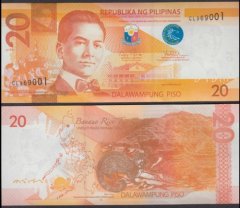

With a population of more than 92 million Multiple ethnicities and cultures are found throughout the islands. In prehistoric times, Negritos were some of the archipelago's earliest inhabitants. They were followed by successive waves of Austronesian peoples who brought with them influences from Malay, Hindu, and Islamic societies. Trade and subsequent Chinese settlement eventually introduced Chinese cultural elements which remain to this day.
The arrival of Ferdinand Magellan in 1521 marked the beginning of an era of Spanish interest and eventual colonization. In 1543, Spanish explorer Ruy López de Villalobos named the archipelago Las Islas Filipinas in honor of Philip II of Spain. The Spanish Empire began to settle with the arrival of Miguel López de Legazpi from New Spain (present day-Mexico) in 1565 who established the first Spanish settlement in the archipelago, which remained a Spanish colony for more than 300 years. During this time, Manila became the Asian hub of the Manila–Acapulco galleon fleet.
As the 19th century gave way to the 20th, there followed in quick succession the Philippine Revolution, which spawned the short-lived First Philippine Republic; the Spanish-American War; and the Philippine–American War. In the aftermath, the United States emerged as the dominant power; aside from the period of Japanese occupation, the United States retained sovereignty over the islands. After World War II, the Treaty of Manila established the Philippine Republic as an independent nation. Since then, the Philippines has had an often tumultuous experience with democracy, with popular "people power" movements overthrowing a dictatorship in one instance but also underlining the institutional weaknesses of its constitutional republic in others.